

Average Strata Fees in Sydney (2026): What Apartment Owners Really Pay
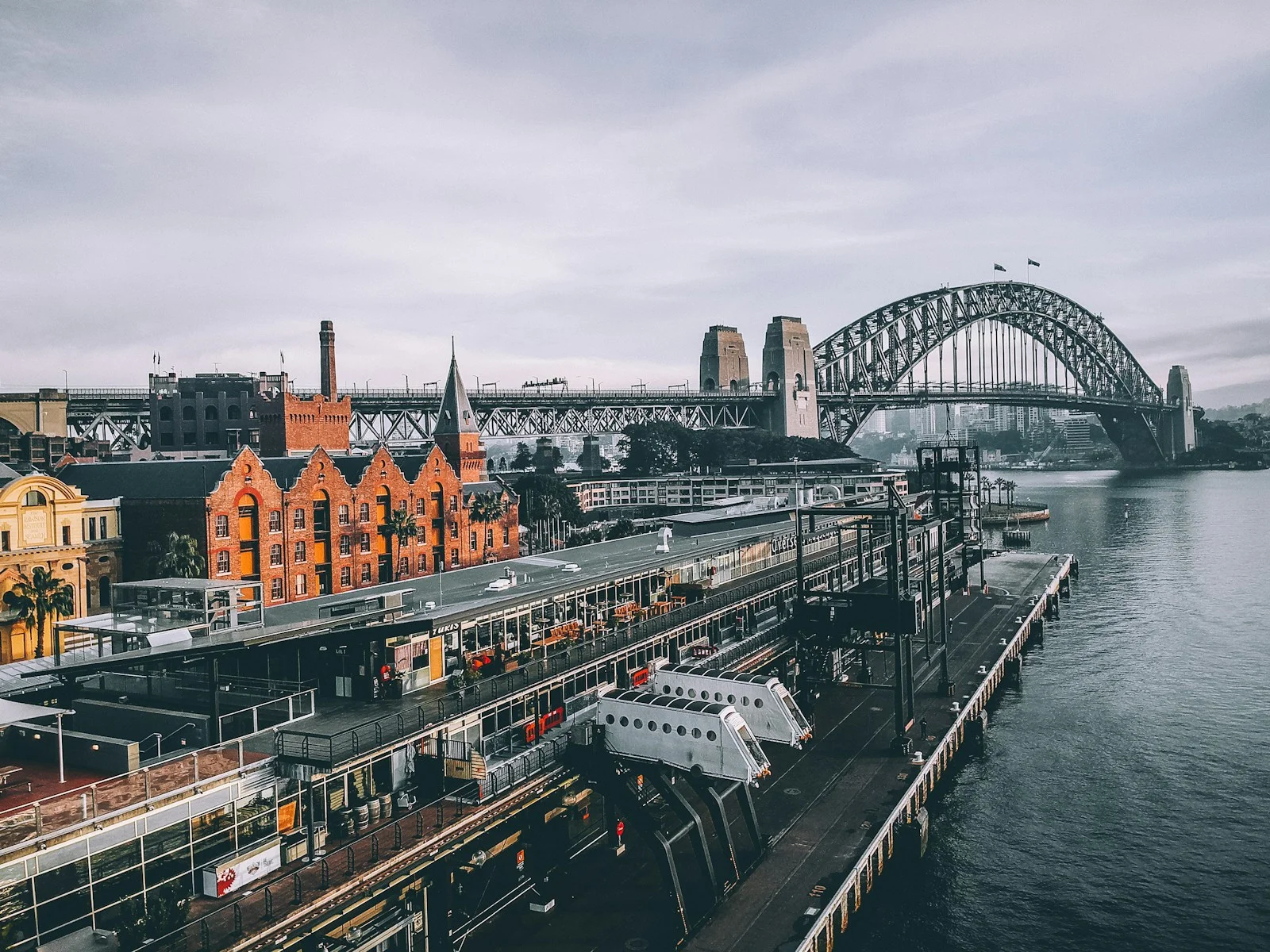
Photo: Road Trip with Raj
If you own or are buying an apartment in Sydney, the strata levy notice is one of the biggest recurring costs you'll carry - and one of the hardest to sanity-check. Two apartments a few suburbs apart can have fees that differ by thousands of dollars a year, and there has never been an easy way to tell whether yours sit at the reasonable end or the expensive one.
This guide pulls together what Sydney apartment owners actually pay in 2026 - the typical ranges by building type, real reported figures from owners in our database, and a clear way to work out whether your own fees are fair.
Related Guides
What Sydney Apartment Owners Typically Pay
Sydney has some of the highest strata fees in the country - a reflection of high property values, steep insurance premiums, an older and more complex building stock, and a large share of high-rise towers with extensive facilities. But "high" still covers an enormous range, and the single biggest driver is the building itself: its size, its age, and how many shared facilities it has to maintain.
As a rough guide for a two-bedroom apartment:
Small schemes (under 20 lots, minimal facilities) $600–$1,500 per quarter. Boutique inner-suburb blocks without a pool or gym can run toward the lower end when they're well managed.
Mid-size buildings (20–60 lots, pool or gym) $1,000–$2,500 per quarter. Sydney CBD-adjacent buildings with a concierge or significant amenities can easily exceed this.
Large complexes and high-rise towers (60+ lots) $1,800–$5,000+ per quarter. Older Sydney towers with significant defect histories or heritage obligations can be higher still.
Regional NSW Generally lower than Sydney - $500–$1,200 per quarter for a typical apartment in cities like Newcastle or Wollongong, with less insurance pressure and lower contractor costs.
The pattern is consistent: the more lifts, pools, gyms and concierge services a building has, the more there is to insure, clean, power and eventually replace - and the higher the levy.
Real Reported Data: Zetland
Most "average Sydney strata fee" figures online are estimates - a formula applied to a property value, or a broad national range. We'd rather show you actual numbers reported by owners.
In Zetland, across 40 reported apartments, the median strata fee is $6,748 per year - about $1,687 per quarter. That's a genuine median from real levy notices, not an estimate.
A figure like that needs context, and Zetland is the perfect example of why one suburb can't stand in for a whole city. Zetland (the Green Square precinct) is a dense, modern, inner-city pocket of high-rise towers - pools, gyms, lifts, concierge and secure parking. Its median sits toward the upper end of the Sydney range precisely because of what those buildings contain. A small walk-up block in a quieter suburb will look very different.
That's the point: a real median for your suburb tells you far more than a city-wide average ever could. You can see the live, up-to-date figures for Zetland here - and as more owners contribute, more Sydney suburbs reach the point where we can publish a verified median.
See how your fees stack up
Use our free body corporate fees calculator to estimate your levy from your unit entitlement - then benchmark it against real data from your suburb.
Open the body corporate fees calculatorWhy Sydney Strata Fees Vary So Much
Four things explain most of the difference between one Sydney building and another:
- Amenities. Pools, gyms, lifts, concierge and gardens are the biggest swing factor. Every facility is an ongoing maintenance and insurance cost shared across the lots.
- Building age and condition. Newer buildings can carry surprisingly high fees if they have extensive facilities or unresolved defects; older buildings may have low fees but an under-funded capital works fund, which sets up special levies later.
- Insurance. Building insurance is mandatory in NSW, and premiums have risen sharply - older buildings and those with combustible cladding or defect histories are hit hardest.
- The capital works fund. A building that properly funds future major works - repainting, roof, lifts, membranes - will have a higher levy now but fewer nasty surprises. A suspiciously low levy often means the capital works fund is being starved.
A note on terminology: in NSW the entity that manages your building is legally an owners corporation, the building is a strata scheme, and your payments are levies. Most people still call them "strata fees" or even "body corporate fees" - they all mean the same thing here. We cover the NSW-specific rules, the 2025–2026 reforms and the NCAT dispute process in the full NSW strata guide.
Is Your Sydney Strata Fee Too High?
A high fee isn't automatically a bad one - a well-run building that fully funds its capital works fund and maintains its facilities should cost more than one quietly heading for a special levy. The real question is whether you're getting value, and whether your fee is in line with comparable Sydney buildings.
Three quick checks:
- Compare like with like. A 60-lot tower with a pool and concierge isn't comparable to an 8-lot walk-up. Match building size and amenities before judging.
- Look at the split. How much of your levy goes to the administrative fund (day-to-day running) versus the capital works fund (future major works)? A capital works fund near zero is a warning sign, not a saving.
- Benchmark against real data. Use the body corporate fees calculator and check reported figures for your suburb to see where you actually sit.
Our guide to whether your fees are too high walks through this in more detail.
Frequently Asked Questions
How much are strata fees in Sydney?
Sydney has some of the highest strata fees in Australia - typically $600 to $5,000+ per quarter, depending on building size and amenities. Real reported data puts the Zetland median at $6,748 per year (about $1,687 per quarter), reflecting that suburb's modern high-rise towers.
Why are Sydney strata fees so high?
High property values, steep insurance premiums (especially for older buildings or those with combustible cladding or defect histories), and a large stock of high-amenity high-rise towers all push Sydney levies up.
What is the difference between strata fees and an owners corporation levy?
They are the same thing. In NSW your building is a strata scheme run by an owners corporation, and your payments are levies - most people simply call them strata fees.
What is the capital works fund?
It is the account that saves for major future works such as roofs, lifts and repainting. A levy that properly funds it costs more now but avoids special levies later; a near-zero balance is a warning sign, not a saving.
Help Build the Picture for Sydney
The more owners who contribute their fees, the more Sydney suburbs reach a verified median - and the more useful this becomes for everyone weighing up a purchase or questioning their own levy. Contributing takes a couple of minutes, we never store your documents, and your data is anonymised.
Know what your body corporate fees are?
Add them anonymously in 2 minutes - no documents stored. Every contribution helps build the benchmark for Australian apartment owners.
Contribute Your FeesIf you're in Sydney, add your strata fees and help make apartment costs across the city transparent.
Ready to Contribute Your Fees?
Add your fees to help build the database. Get access to suburb overviews when they're ready.
Contribute Your Fees