

Body Corporate Fees in Tasmania: A Complete Guide for Apartment Owners

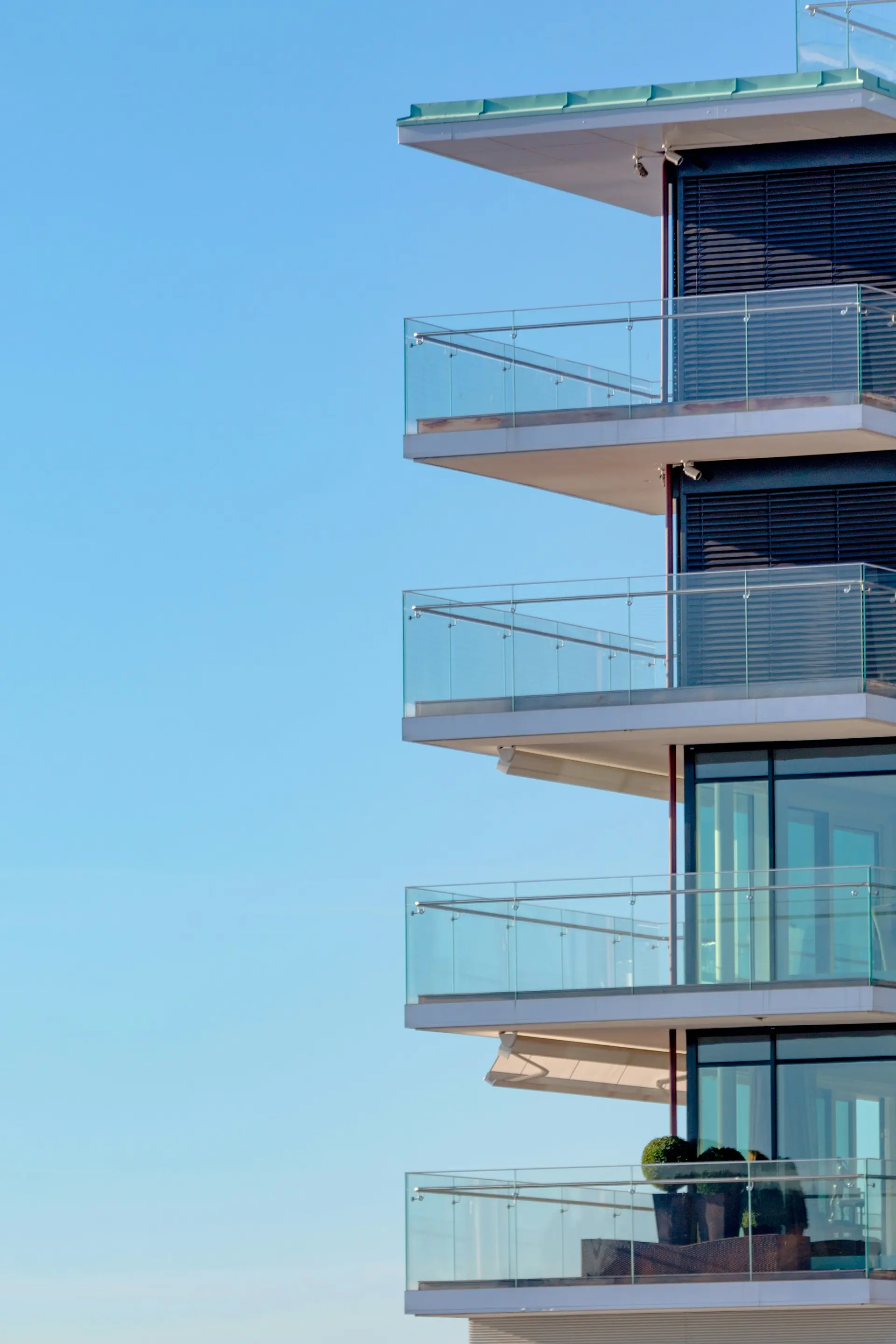
Photo: Ziyao Xiong
Tasmania has undergone a dramatic property market transformation over the past decade. Hobart - once one of Australia's most affordable capital cities - saw extraordinary price growth that has fundamentally changed the calculus of strata living. Inner-city apartments that once traded cheaply are now valuable assets, and the body corporate fees that come with them are under greater scrutiny.
Tasmania's strata framework is governed by the Strata Titles Act 1998 and is administered with less complexity than the larger mainland states. But "simpler" doesn't always mean "better run" - Tasmania has its own set of challenges, including older building stock, limited strata management competition in some areas, and a property market where demand continues to outpace supply.
Here's what Tasmanian strata owners actually need to know.
Related Guides
What Tasmania Calls It: Body Corporate
Tasmania uses the term body corporate - shared with Queensland and the Northern Territory. Your payments are levies (divided between administrative and sinking funds). The common property is managed collectively by the body corporate, which comprises all lot owners.
The governing legislation is the Strata Titles Act 1998. Consumer, Building and Occupational Services (CBOS) is the primary regulator for strata matters. Formal dispute resolution goes through the Resource Management and Planning Appeal Tribunal (RMPAT) or the Magistrates Court, depending on the matter.
How Levies Work in Tasmania
Tasmanian body corporates are funded through two main levies:
Administrative Fund Levy
Covers the day-to-day costs of running the scheme:
- Body corporate manager fees (if professionally managed)
- Building and public liability insurance
- Common property maintenance, cleaning, and gardening
- Lift servicing and routine repairs
- Utilities for common areas
- AGM administration costs
Sinking Fund Levy
The sinking fund accumulates savings for major capital expenditure:
- Roof replacement or major repair
- Exterior painting
- Lift replacement
- Driveway and car park resurfacing
- Pool and common facility refurbishment
- Major structural or services work
Body corporates are expected to set sinking fund contributions at a level that anticipates future capital needs. In practice, many smaller Tasmanian schemes - particularly older ones managed informally - have historically underfunded their sinking funds, creating risk of special levies.
Related: How Much Should a Body Corporate Have in Its Capital Works Fund?
How Your Levy Is Calculated
In Tasmania, your levy is calculated based on your lot entitlement - a proportion assigned to your lot in the strata plan, typically reflecting the relative size or value of your lot. Your share of the budget equals your lot entitlement as a proportion of the total entitlements in the scheme.
If your lot holds 75 entitlements out of a scheme total of 3,000, you pay 2.5% of the total budget. On a combined annual budget of $90,000, that's $2,250 per year - or $562.50 per quarter.
See how your fees stack up
Use our free body corporate fees calculator to estimate your levy from your unit entitlement - then benchmark it against real data from your suburb.
Open the body corporate fees calculatorWhat's Typical in Hobart and Tasmania?
Tasmania's strata fees are generally lower than mainland capital city equivalents - but the gap has narrowed as Hobart's property market matured and contractor costs rose.
Small complexes (under 20 lots, minimal facilities) $300–$750 per quarter. Simple suburban complexes with no pool or lift in well-managed buildings can come in under $500/quarter.
Mid-size buildings (20–50 lots, lift or basic facilities) $550–$1,200 per quarter. Inner Hobart buildings with a lift in this range, with variation depending on building age and management quality.
Larger or premium buildings (50+ lots) $1,000–$2,000+ per quarter. Larger Hobart CBD or waterfront buildings with more extensive common property sit toward the higher end.
Regional Tasmania In Launceston and regional centres, fees tend to be lower - reflecting lower contractor costs and simpler building stock. $250–$600 per quarter is common for modest apartment complexes.
Compare your Tasmanian body corporate fees against buildings in our database →
Know what your body corporate fees are?
Add them anonymously in 2 minutes - no documents stored. Every contribution helps build the benchmark for Australian apartment owners.
Contribute Your FeesInsurance in Tasmania
Building insurance is compulsory for Tasmanian body corporates, covering the building for full replacement value and public liability.
Tasmania's insurance pressures include:
- General market premium increases that have affected all states
- Some bushfire risk exposure on the urban fringe, particularly around Hobart's hilly suburbs
- Older building stock where accurate replacement cost assessment is important - particularly heritage or character buildings where reinstatement costs can be significantly higher than standard construction rates
The extraordinary rise in Hobart property values means that insurance replacement cost assessments need to be kept current. A building insured at its replacement cost from five years ago may be materially underinsured given construction cost inflation.
Related: Body Corporate Insurance Crisis: Why Premiums Doubled Since 2019
Strata Management in Tasmania
Tasmania does not have a mandatory licensing regime for strata managers. The strata management industry operates largely through voluntary self-regulation via the Strata Community Association (SCA Tas).
The Tasmanian market is smaller than the mainland states, which means:
- Fewer strata management companies compete for business in some regions
- Self-managed schemes are more common, particularly for smaller complexes
- Quality of management can vary significantly between providers
For self-managed body corporates (common in small Tasmanian complexes), the committee of owners takes on all management responsibilities - financial reporting, maintenance coordination, insurance renewal, and AGM organisation. This works well when committed and capable owners are involved, but can create problems when committees change or key people move on.
Also: How to Change Your Strata Manager: A Step-by-Step Guide
Disputes in Tasmania
Tasmania's dispute resolution pathway is less streamlined than mainland states with dedicated tribunals.
RMPAT (Resource Management and Planning Appeal Tribunal) handles some strata disputes, particularly those involving appeals against decisions made under the Act.
Magistrates Court is the venue for other strata disputes, including levy recovery matters and enforcement of strata rules.
CBOS can provide information and general guidance, and may assist in some complaint situations, though they do not adjudicate private disputes.
Mediation is often the most practical first step. Many strata disputes in Tasmania are resolved through facilitated negotiation before formal proceedings become necessary - and given the relatively limited formal dispute resolution infrastructure, developing a practical resolution is often in all parties' interest.
If you're in a dispute about levies, maintenance obligations, or by-law enforcement, document your communications carefully and seek advice from CBOS or a strata solicitor before escalating.
Before You Buy in Tasmania: What to Check
When purchasing a Tasmanian strata property, request the following:
- Current levy schedule - what you'll be paying quarterly from settlement
- Sinking fund balance - is it adequate for a building of this age?
- AGM minutes from the last 2–3 years - what maintenance issues have been raised? What has been deferred?
- Any approved or pending special levies - these transfer to the buyer
- Building age and condition - Hobart has significant stock of older buildings, some with known issues around weatherproofing, plumbing, and wiring
- Insurance certificate - is coverage current and is the sum insured reflective of current replacement costs?
- Management structure - is the scheme professionally managed or self-managed? Self-managed schemes require more due diligence.
Hobart's older inner suburbs (Battery Point, North Hobart, West Hobart) have a high proportion of converted heritage buildings. These can have significantly higher maintenance costs and insurance complications that are not always apparent from levy schedules alone.
Full checklist: Essential Questions to Ask Before Purchasing and How to Read a Strata Search Certificate: The Buyer's Checklist
The Impact of Hobart's Property Boom on Body Corporate Fees
Hobart's property market transformation over the past decade has affected strata fees in several ways:
Rising contractor costs - as demand for tradespeople and construction services increased with the broader property boom, the cost of maintaining common property rose accordingly.
Insurance premium increases on higher-valued assets - as building values rose, replacement cost assessments went up, and premiums followed.
Renewed investment in common areas - some body corporates, emboldened by rising values and owner engagement, have invested in common area upgrades that previous owners had deferred.
Short-term rental pressure - Airbnb and similar platforms have been contentious in some Hobart body corporates, with debates about by-laws, additional wear on common property, and the appropriate regulatory response still unresolved in many schemes.
Related: Can a Body Corporate Ban Airbnb? State-by-State Rules
Common Reasons Tasmanian Body Corporate Fees Are High
Old building with deferred maintenance - the single most common issue. A building that's been managed conservatively for years may face a backlog of capital works.
Underfunded sinking fund - if contributions were kept artificially low, a reckoning arrives when the roof or lift needs replacing.
Small scheme with fixed costs - a six-unit building with a shared lift pays the same lift maintenance cost as a larger building, spread across fewer owners.
Insurance increases not absorbed gradually - if the premium jumped significantly at renewal, the increase flows directly into the levy.
Self-managed scheme with poor financial governance - schemes without professional management sometimes fail to plan adequately for capital works, resulting in reactive special levies.
Are Your Tasmanian Body Corporate Fees Reasonable?
Hobart's strata market is now mature enough that meaningful comparisons are possible. Our fee comparison tool includes Tasmanian data so you can see how your building compares to similar properties.
If your fees seem high, start with insurance and management - the two most variable cost items - and check whether the sinking fund contribution is appropriate for your building's age and condition.
Ready to Contribute Your Fees?
Add your fees to help build the database. Get access to suburb overviews when they're ready.
Contribute Your Fees