
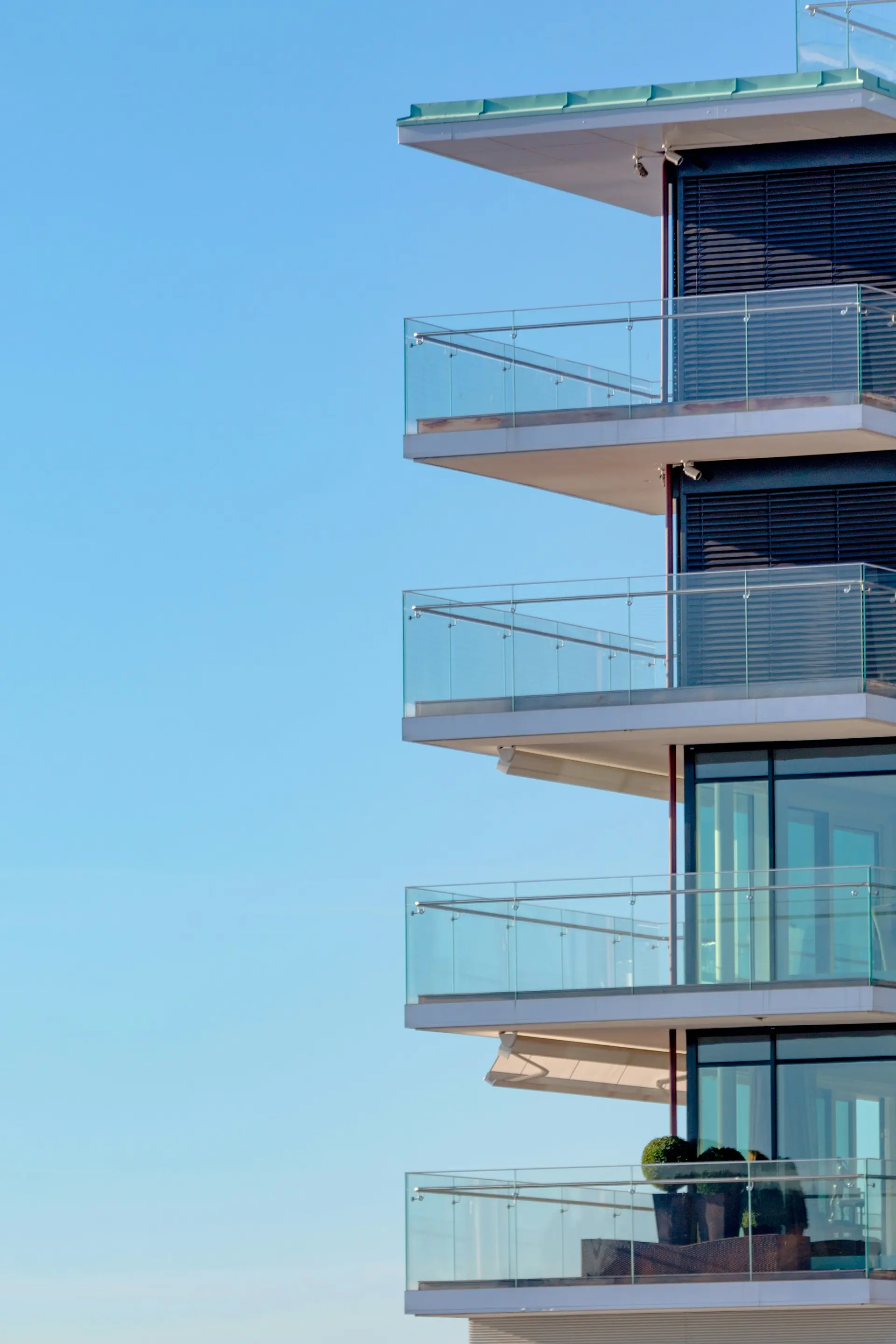

Combustible Cladding: Is Your Building on the List?
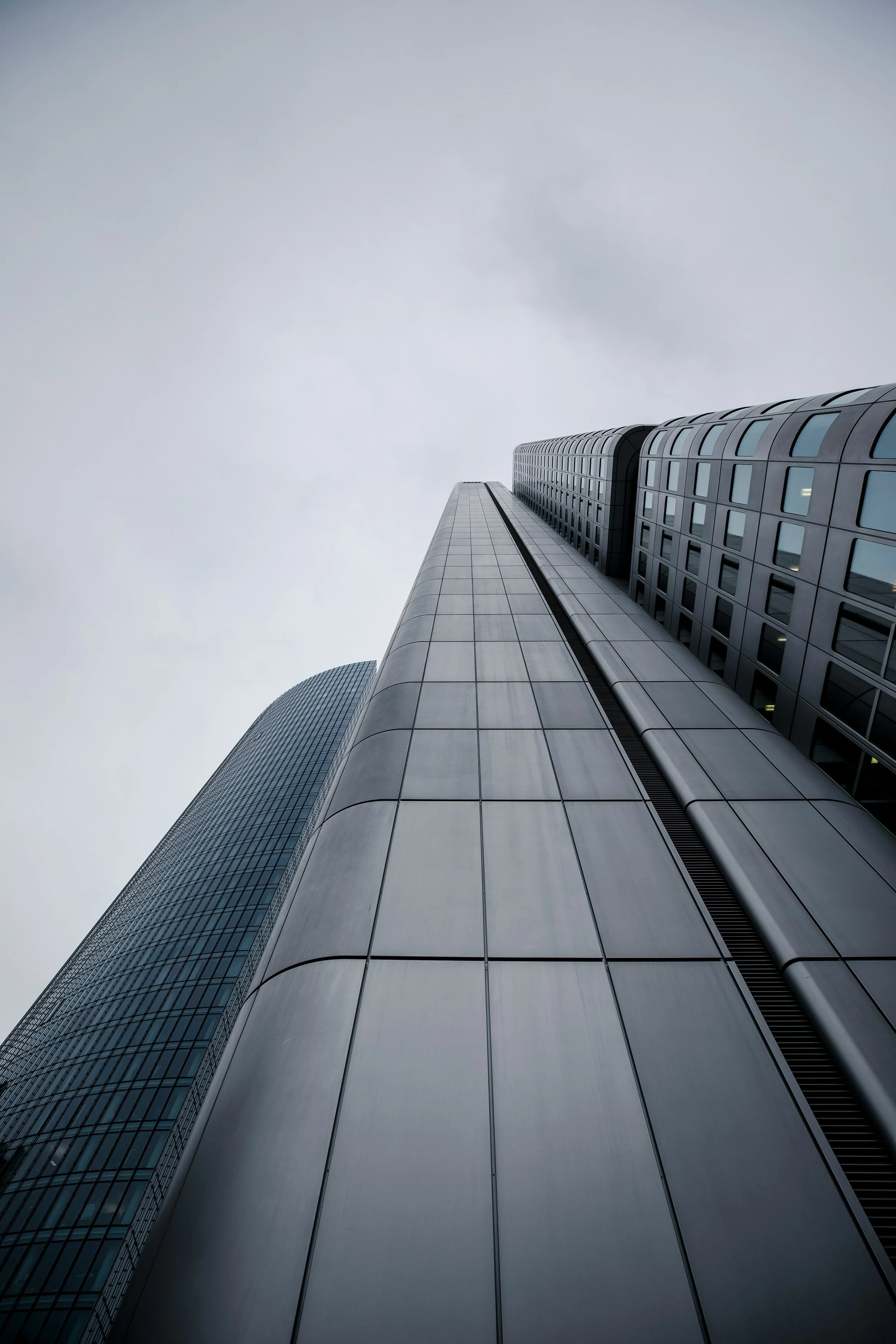
Photo: Markus Spiske
The letter from the building authority arrived without warning. A formal notice that the building's external aluminium cladding had been assessed, classified as high-risk, and added to the state register. Attached: an engineers' report recommending full facade replacement. The body corporate's solicitor estimated the cost at somewhere between $800,000 and $1.2 million, depending on the scope of works. Divided across the building's twenty-four lots, that was a potential special levy in the range of $33,000 to $50,000 per owner.
This is the situation thousands of Australian apartment owners have faced - or are still waiting to face. Combustible cladding is not a problem that was solved after Grenfell Tower. It is an active, ongoing issue in buildings across every major city in Australia, and many buildings have not yet completed their assessments.
What Is Combustible Cladding?
The specific product at the centre of most Australian cases is aluminium composite panel (ACP) - a lightweight cladding material that became widely used in commercial and residential construction from the mid-1990s onwards. It consists of two thin aluminium sheets bonded to a core material. The problem is in that core.
ACP panels manufactured with a polyethylene (PE) core - the most common and cheapest variant - are highly combustible. When exposed to fire, the polyethylene core melts and burns intensely. Because the panels are often installed across large continuous sections of a building's facade, a fire can spread rapidly across the exterior surface in a way that entirely bypasses the fire containment measures designed into the building's interior.
The risk was demonstrated catastrophically at the Grenfell Tower fire in London in June 2017, which killed 72 people. In Australia, the defining event came earlier: the Lacrosse building fire in Melbourne's Docklands in November 2014, where ACP cladding allowed a small balcony fire to spread rapidly up the exterior of a 21-storey building. No one died at Lacrosse - the fire was contained and residents escaped - but the event triggered a national reckoning with how widely this material had been used.
Expanded polystyrene (EPS) cladding carries similar risks and has been implicated in several other Australian fires, though it is less prevalent than ACP.
Which Buildings Are at Risk?
The highest-risk profile is a building that:
- Was constructed or significantly refurbished between approximately 1994 and 2018 (the period when combustible ACP was in widespread use)
- Has aluminium panels on the exterior facade, particularly on upper levels
- Is multi-storey (higher buildings present greater risk because fire and smoke spread faster and evacuation takes longer)
- Has not been formally assessed by a licensed building certifier or fire safety practitioner
The construction window isn't exact - some buildings constructed before 1994 used ACP, and some built after 2018 slipped through before tighter standards took effect. If you're uncertain, a visual inspection alone is not sufficient to determine whether cladding is combustible. The core material needs to be tested or verified against original building specifications.
How to Check: State-by-State
Each state has handled cladding assessment differently, which means how you find information about your building depends on where it is.
Victoria has the most comprehensive public register. Cladding Safety Victoria (CSV) has assessed thousands of buildings across the state, classified them by risk, and published information about buildings subject to rectification orders. Owners can check the CSV website and enquire about their building's status. Victoria also established a government-funded rectification program that has provided grants to help cover remediation costs for some of the highest-risk buildings - though funding was limited and not all buildings qualified.
Queensland requires owners of buildings with combustible cladding to register with the Queensland Building and Construction Commission (QBCC). A building certifier must assess the building and determine its risk level. The register is managed by QBCC and results in an assessment outcome that may require rectification.
NSW has operated through local councils and the Department of Planning, Infrastructure and Environment, with the most seriously affected buildings receiving rectification orders. NSW introduced the Building Product Safety Act to create a framework for identifying and managing high-risk building products, including combustible cladding.
WA implemented a Dangerous External Cladding audit program, under which building owners were required to engage a licensed building surveyor to assess their building. Outcomes were reported to local authorities.
SA, TAS, ACT, NT have their own processes under state building legislation, with varying levels of formalisation. If you're in one of these states and your building hasn't been assessed, the starting point is your local building authority or a licensed building certifier.
If you're unsure whether your building has been assessed, the first step is to ask your strata manager. They should be able to provide the assessment outcome and any relevant documentation. If your building is on a state register, you should have received formal notification - but if you purchased the property recently and weren't told, it's worth verifying directly.
What the Risk Classifications Mean
Most state programs use a tiered risk classification, typically:
- High risk / Priority 1: Immediate or urgent action required. These buildings typically have high-percentage PE-core ACP coverage on upper levels, no sprinkler system, or other compounding risk factors.
- Medium risk / Priority 2: Remediation required within a defined timeframe. The building has combustible cladding but lower-risk configuration.
- Low risk / Acceptable: The building has been assessed and the risk is considered manageable with existing systems, or the cladding has been determined not to be high-risk PE-core material.
A "low risk" or "acceptable" classification doesn't necessarily mean the cladding isn't combustible - it may mean the risk is mitigated by other features such as a full sprinkler system, limited coverage, or lower building height. Ask your strata manager or body corporate committee for the specific outcome of any assessment, not just the summary classification.
What Remediation Costs
This is where the numbers get uncomfortable. Full facade replacement - stripping and replacing combustible cladding across an entire building - is the most expensive outcome, and costs vary significantly based on building size, height, complexity of the facade design, and accessibility.
For a medium-sized residential apartment building, full remediation has commonly cost between $300,000 and $2 million. For larger or more complex buildings, the figure can be higher. Divided across the lots in a typical building, owner contributions have ranged from $10,000 to $80,000 or more per lot through special levies.
Not all outcomes require full replacement. In some cases, engineers have approved alternative solutions - such as the installation of fire-rated cavity barriers, replacement of only the highest-risk sections, or treatment of lower levels while managing upper levels differently. These partial solutions cost less but may still be substantial.
Where state government funding programs exist (most notably in Victoria), grants may offset some costs for qualifying buildings. These programs have been finite, and not all buildings have received support. If your building is affected, it is worth enquiring through your state's relevant authority about whether any assistance is available - and acting sooner rather than later, as program funding can be exhausted.
Why Your Insurance May Already Reflect This
Insurers are acutely aware of the combustible cladding issue, and many have adjusted their approach to buildings with known or suspected combustible cladding.
Common outcomes for affected buildings include:
- Premium increases that reflect the higher fire risk
- Exclusion clauses that remove or limit coverage for fire damage caused by the cladding - meaning the building's insurance may not cover the most likely catastrophic loss scenario
- Cover declined entirely, forcing the body corporate to seek specialist insurers at significantly higher cost
- Cover conditional on remediation being completed within a defined timeframe
If your building has been identified as having combustible cladding and has not yet remediated, it is worth reviewing your current insurance policy carefully. Check whether fire exclusions apply to cladding-related events, and confirm that the body corporate's insurance is not subject to undisclosed conditions that would leave owners exposed.
What to Ask at Your Next AGM
If you own in a building constructed between the mid-1990s and approximately 2018, and you haven't seen a cladding assessment report, these are the questions to raise:
- Has the building been formally assessed for combustible cladding? By whom, and when?
- What was the outcome of the assessment? Is the building on any state register?
- If remediation is required, what is the current scope, estimated cost, and timeline?
- How is remediation being funded - through the capital works fund, a special levy, or other means?
- Does the current building insurance have any exclusions or conditions related to cladding?
- If a government funding program exists in our state, have we applied?
If the committee or manager can't answer these questions, that's a problem in itself. Cladding assessment outcomes are significant legal and financial information that should be available to all owners.
Key Takeaways
- Combustible ACP cladding - particularly panels with a polyethylene core - was widely used in Australian apartment construction from the mid-1990s to approximately 2018, and remains an unresolved problem in many buildings.
- Each state has a different process for assessment and remediation - Victoria has the most comprehensive register and funding program; all states have some form of regulatory framework.
- Risk classifications determine urgency and scope of required action, but low-risk doesn't mean no risk.
- Remediation costs are significant - full facade replacement has cost $300,000 to $2 million or more for many buildings, typically funded through special levies.
- Insurance for affected buildings is often more expensive, may have cladding-specific exclusions, or may be hard to obtain at all.
- If you don't know your building's status, ask your strata manager for the assessment report - and push until you get a straight answer.
Compare body corporate fees across Australia at BodyCorporateFees.com.
This article is for informational purposes only and does not constitute legal or engineering advice. Cladding assessment requirements, government funding programs, and risk classification processes vary by state and are subject to change. If you believe your building may be affected, consult a licensed building certifier or your state's relevant building authority.
Ready to Contribute Your Fees?
Add your fees to help build the database. Get access to suburb overviews when they're ready.
Contribute Your Fees