

Understanding Your Body Corporate Fees: Where Does the Money Go?

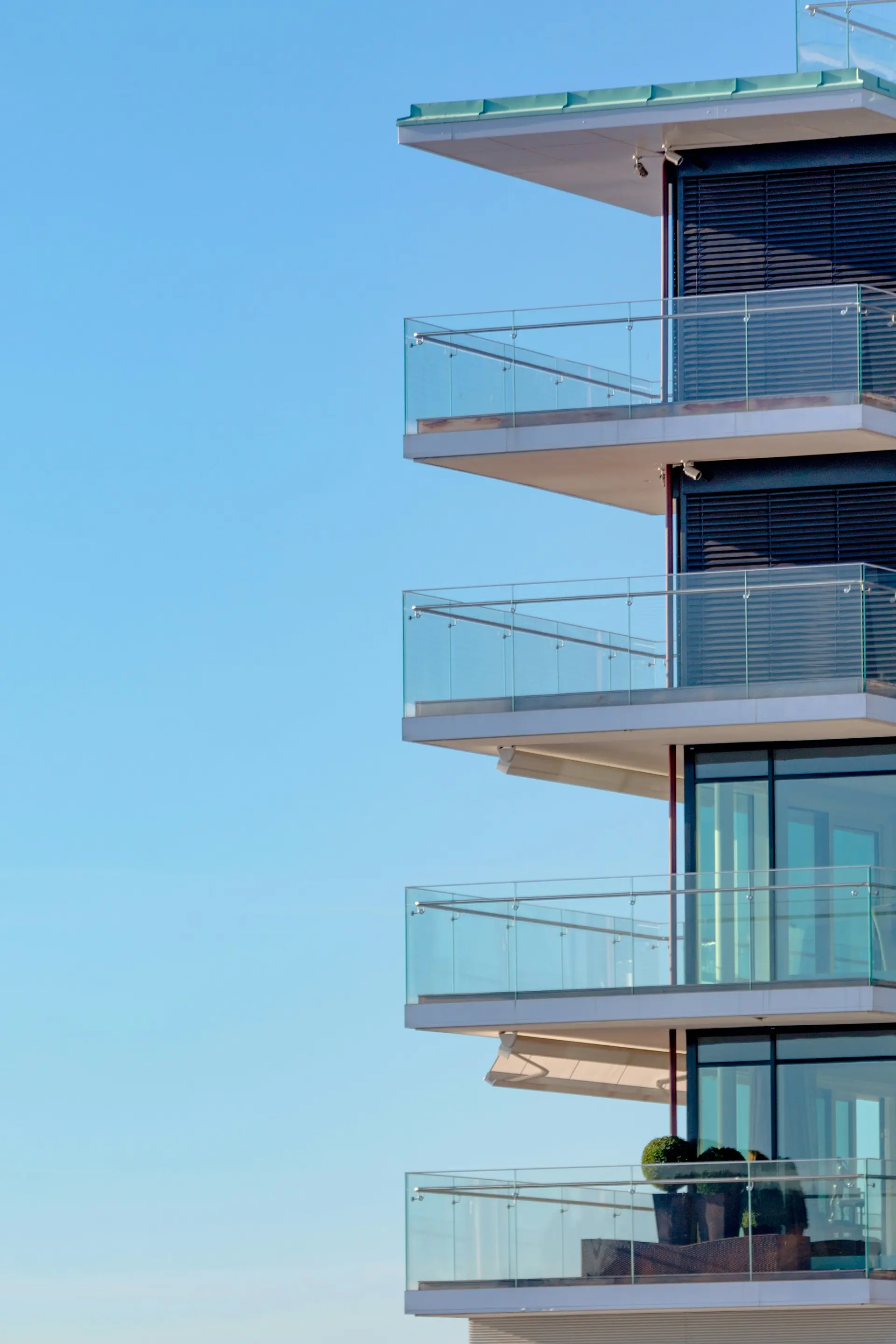
Photo: Melissa Walker Horn
The owner had been paying body corporate fees of $3,500 a year for a two-bedroom apartment in a mid-sized inner-suburb block. A friend in a nearly identical building three streets over - same era, same finish, similar amenities - was paying $2,000. They compared the buildings carefully: same number of units, same lift, same shared gardens, no pool in either. The difference was nearly 75 percent. Neither of them could quite explain it.
This kind of disparity is far more common than most owners realise. Once you understand the components of a body corporate budget - and which line items tend to drift highest - the conversation about whether your fees are reasonable becomes much more grounded.
New to strata? Start with our foundational guide: What Are Body Corporate Fees?
The Two Funds Every Body Corporate Runs
Almost every strata building in Australia operates two distinct funds, even though they appear on the same levy notice.
The Administrative Fund (sometimes called the operating fund or admin fund) pays for day-to-day expenses: insurance, management fees, cleaning, gardening, utilities for common areas, minor repairs, and routine compliance. The admin fund is consumed each year and replenished by your regular levies.
The Sinking Fund (also called the capital works fund, maintenance fund, or reserve fund) is a long-term savings pool. It accumulates funds for major future expenses: roof replacement, lift refurbishment, external painting, facade repairs, fire system upgrades. The sinking fund is not consumed each year - it's built up over time so the building doesn't need to hit owners with sudden special levies when a large bill arrives.
Owners often look at their total levy and judge it against another building's total. That comparison can be misleading. A building with a high sinking fund contribution but a modest admin spend is not the same financial proposition as a building with the inverse - and the higher-sinking-fund building is usually the better-run one.
What a Typical Admin Fund Actually Pays For
In most Australian residential strata buildings, the admin fund spend tends to break down roughly as follows:
- Insurance: 25-40 percent. Building insurance is the largest single line in most budgets. Recent premium increases have pushed it higher in many buildings.
- Strata management fees: 15-25 percent. Some managers charge a flat annual fee per lot; others use a percentage of the budget. Additional service fees are common and can quietly add 30 to 50 percent to the headline rate.
- Utilities (common-area electricity, water, gas): 10-20 percent. Lighting, lifts, ventilation, pumps, hot water in some configurations.
- Cleaning and gardens: 10-15 percent. Higher in buildings with more landscaped or lobby space.
- Minor repairs and maintenance: 5-15 percent. The catch-all for small issues that don't draw on the sinking fund.
- Compliance, audits, statutory fees: 3-8 percent. Fire system inspections, electrical compliance, audited accounts where required.
- Administration, communications, postage: 2-5 percent. Smaller in buildings with portal-based communication.
Two line items deserve closer attention because they're where buildings drift most: insurance and strata management fees. Both have non-obvious cost structures, and both are areas where competitive pressure (or lack of it) makes a large difference.
What the Sinking Fund Should Cover
The sinking fund is meant to anticipate the building's predictable major expenses. A well-prepared 10-year capital works plan (mandatory in some states) will identify the timing and likely cost of:
- Roof replacement or membrane renewal - typically every 20-30 years
- Lift refurbishment - typically every 15-25 years
- External painting and rendering - typically every 8-12 years
- Facade and balcony waterproofing - condition-dependent
- Fire safety system upgrades - driven by legislation as much as condition
- Common area floor coverings and finishes - typically every 10-15 years
- Plant and equipment replacement - varies by item
A reasonable benchmark for sinking fund contributions is between 0.5 percent and 1 percent of the building's replacement cost per year, though this varies with building age and configuration. Many buildings sit well below this - and the consequence is special levies when the inevitable major expense arrives.
If the sinking fund contribution looks unusually low, that's often a sign that the building is deferring future cost into a special levy that hasn't been called yet.
Why Two Similar Buildings Can Have Very Different Fees
There are a handful of common explanations for big differences between buildings that look similar from the outside:
- Insurance variance. Two buildings of similar size can have premiums that differ by 30-50 percent based on claims history, cladding status, location, and which broker placed the policy. A building with a recent water damage claim can pay materially more for years afterwards.
- Strata management arrangements. A manager on a flat fee with no additional service fees is usually significantly cheaper than one charging a base fee plus per-task add-ons. The headline rate is rarely the full picture.
- Hidden commissions. Insurance commissions and supplier referral arrangements can quietly inflate underlying costs. Recent reforms in NSW have pushed disclosure standards higher, but the practice remains across many other states.
- Amenities. A pool, gym, gated parking, or extensive landscaping all add to the admin fund. So does a concierge or full-time building manager.
- Building age and condition. Older buildings with more maintenance load (or with deferred maintenance catching up) carry higher repair lines.
- Sinking fund philosophy. A building running a properly funded sinking fund has higher total levies than one that doesn't - but lower special levy risk.
The most common pattern: the higher-fee building has either higher insurance, a more expensive management arrangement, or a better-funded sinking fund. Sometimes all three.
Red Flags Worth Looking For
When reviewing your annual financial statements, a few patterns warrant closer questions at the AGM:
- Strata management fees that have crept up year-on-year without a corresponding change in service scope. Some agreements include automatic CPI-plus increases that compound.
- Insurance premium increases without a comparison of alternative quotes. Three competitive quotes are now a legislated requirement in some states and a sensible practice everywhere.
- Repair and maintenance spending that doesn't reconcile to identifiable projects - vague line items in significant amounts deserve interrogation.
- Sinking fund contributions that have stayed flat for many years while the building has aged.
- Frequent supplier changes, or all major works going to the same supplier without competitive tender.
None of these patterns prove anything on their own. They are conversation starters at the AGM.
Key Takeaways
- Body corporate fees fund two distinct things: day-to-day operating costs (admin fund) and long-term major maintenance reserves (sinking fund).
- Insurance and strata management fees are the two largest line items in most admin funds and the most common source of fee differences between similar buildings.
- A well-funded sinking fund results in higher annual levies but much lower special levy risk - a low-fee building can be the more expensive one over a 10-year horizon.
- Headline rates rarely tell the full story: hidden commissions, per-task additional service fees, and bundled supplier arrangements can quietly inflate costs.
- Compare like with like: when comparing fees between buildings, separate the admin and sinking components and adjust for amenities, age, and insurance status.
Compare body corporate fees across Australia at BodyCorporateFees.com.
This article is for informational purposes only. Fee structures and statutory requirements vary by state. For advice specific to your building's financial situation, contact a strata accountant or your state's strata authority.
Ready to Contribute Your Fees?
Add your fees to help build the database. Get access to suburb overviews when they're ready.
Contribute Your Fees