


Why Body Corporate Fees Jump After Year One: The Developer Levy Estimate Problem
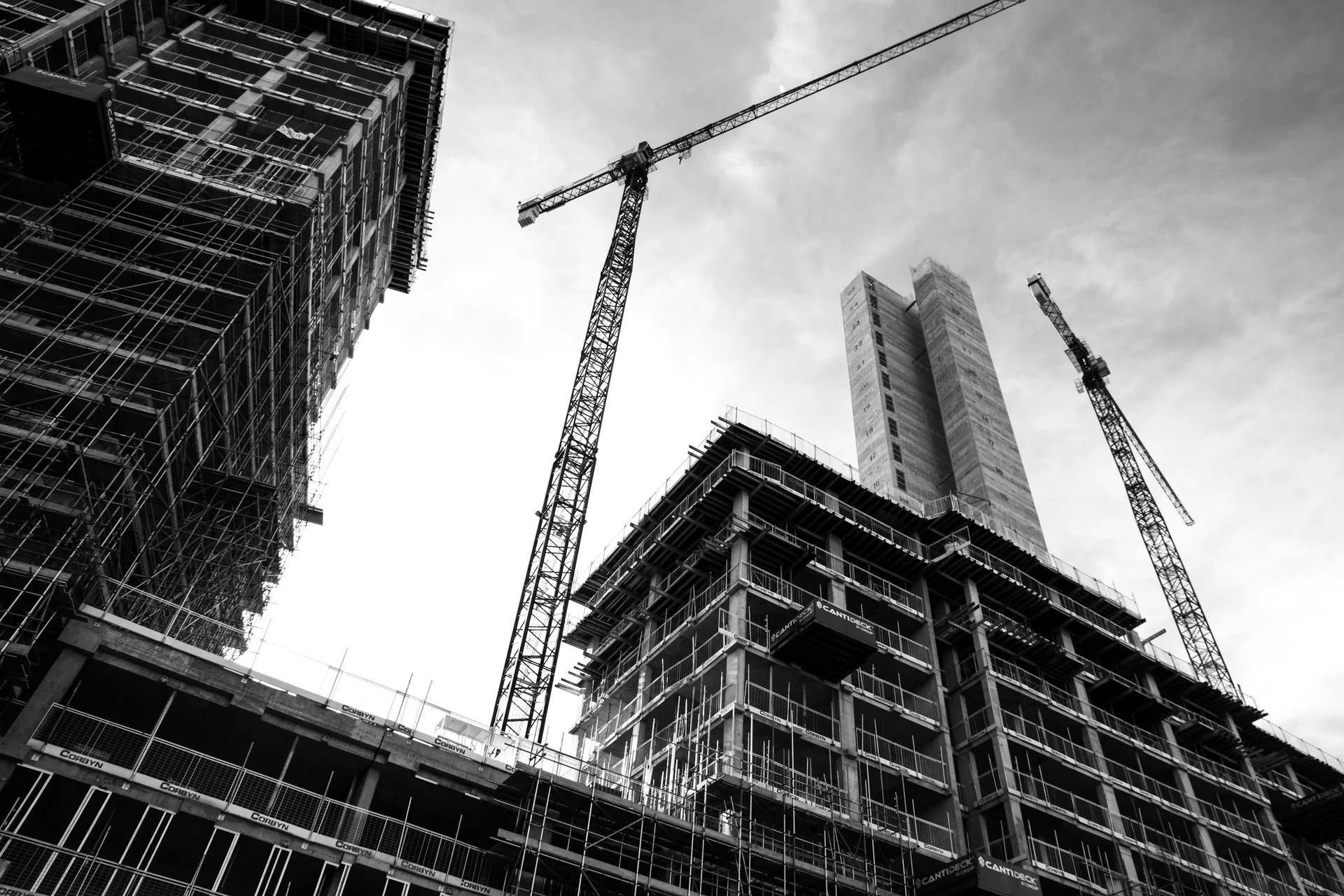
Photo: Ben Allan
You bought off-the-plan eighteen months ago. The disclosure statement showed annual body corporate levies of $2,800. That was one of the things that made the numbers work - a manageable holding cost on top of your mortgage. The first AGM notice arrives and the proposed budget sets your quarterly levy at $1,400. That's $5,600 per year. Nobody has explained what changed. The building is brand new. The fees just doubled.
This scenario is common enough that it has its own informal name in property circles: levy shock. It isn't bad luck, and it usually isn't because something went wrong with the building. It's the predictable outcome of a structural incentive that has operated in the off-the-plan apartment market for years - developers are the ones who set the initial levy estimates, and developers benefit from those estimates being as low as possible.
NSW is legislating to fix this from April 2026 with a mandatory certified estimate requirement. But until that reform is in place - and for buyers in other states where no equivalent reform has been announced - understanding how this problem works is the best protection you have.
If you're researching body corporate costs before buying, start with our fee comparison tool to benchmark what similar buildings in your target suburb are actually paying.
How the System Currently Works
When you buy an apartment off-the-plan - before the building is completed - the developer must provide a disclosure statement that includes a range of information about the building, including an estimated annual body corporate levy.
In most Australian states, there's no requirement that this estimate be prepared by an independent professional, validated by any particular methodology, or benchmarked against comparable buildings. The developer (or their solicitor) prepares a figure and puts it in the document.
The levy estimate typically appears as a budget projection covering the admin fund and the sinking fund contribution. It might look precise - line items for insurance, management fees, gardening, cleaning, utilities. That precision can create a false sense of reliability. The numbers are estimates built on assumptions made, in many cases, before construction is complete, before final fitout costs are known, before insurance quotes have been obtained for the actual finished building, and before management contracts have been negotiated.
They are, in the most literal sense, guesses - presented as if they were forecasts.
Why Developers Underestimate
The incentive to underestimate is structural and obvious once you see it.
A developer selling a $750,000 apartment off-the-plan knows buyers are weighing up total holding costs. A disclosed levy of $2,500 per year looks significantly more attractive than $5,000 per year - even if $5,000 is the number that reflects what the building will actually cost to run. Every dollar of annual levy in the disclosure statement affects how buyers perceive affordability.
Historically, the consequences for getting it wrong have been limited for developers. Once the building is complete and the body corporate holds its first AGM, the developer has typically settled all contracts and moved on. The body corporate - now controlled by the owners - sets the real budget based on real costs. The owners pay the difference. The developer has long since been paid.
A few specific underestimation patterns appear repeatedly:
Insurance is estimated below market. Body corporate insurance is typically 25–40% of the admin fund. In a period when premiums have risen sharply - nearly doubling nationally since 2019 - estimates prepared years before completion can be materially off before the building is even finished.
Sinking fund contributions are set at a minimum. A token sinking fund contribution keeps the headline levy lower. Owners discover within a few years that the fund is inadequate and contributions need to rise significantly to properly prepare for future maintenance.
Management fees are understated. Estimates often use conservative management fee assumptions that don't reflect the actual contract negotiated once the building is operational.
Building completion costs aren't fully known. Common property scope - which determines ongoing maintenance obligations - can change between planning and completion. Estimates made at planning stage may not reflect the actual building delivered.
Related: Capital Works Fund: How Much Should Your Body Corporate Really Have? - sinking fund underfunding is one of the most common consequences of low initial levy estimates.
How Bad Is the Problem?
Quantifying the exact scale is difficult because disclosure documents and first-year AGM minutes aren't collected in any centralised database. But consumer advocates and strata professionals have consistently identified this as a significant issue.
Cases of first-year fees running 50–100% above disclosed estimates are well documented. Cases of 150–200% above are not unheard of. The gap tends to be larger for:
- Buildings with significant amenities - pools, gyms, concierge, rooftop terraces - where operating costs are higher and more variable than basic utility and maintenance budgets
- Buildings completed during periods of rising costs - insurance premium increases, contractor cost inflation, energy price rises can all move the real costs away from estimates made years earlier
- Smaller buildings - where fixed costs (management, insurance, lift) are spread across fewer lots, and any underestimation hits harder per owner
For a buyer who stretched to the top of their budget based on the disclosed holding costs, a doubling of levies can create genuine financial stress. Unlike a variable mortgage rate, body corporate fees can't be locked in - they're set each year by the owners corporation based on what the building actually costs to run.
The NSW April 2026 Reform: Certified Levy Estimates
From April 2026, off-the-plan disclosure statements in NSW must include a body corporate levy estimate that has been certified by a qualified professional - not simply prepared by the developer or their legal team.
This reform is part of the broader package of NSW strata law changes flowing from the Building Stronger Foundations reforms. It directly addresses the core problem: if a developer can self-certify a levy estimate with no independent scrutiny, there's nothing to stop them from setting a number that's optimistic for marketing purposes.
Under the new requirement, the certified estimate must be prepared by a quantity surveyor or other qualified professional with relevant expertise. That professional puts their credentials and professional standing behind the number. The methodology must be defensible. And if it turns out to be wildly wrong, there's an accountable party whose name is on the document.
The estimates may be higher than what some developers would have disclosed under the old system - but they'll be more reliable. For a buyer trying to model their long-term holding costs, a slightly higher but accurate figure is far more useful than a low number that's going to be revised sharply within twelve months.
What This Means for Buyers Right Now
If you're buying off-the-plan in NSW after April 2026, you'll receive a certified estimate. Before that date - and for all off-the-plan purchases in other states - the old system still applies. Here's how to protect yourself.
Ask for the methodology behind the estimate. Who prepared it? When? What assumptions were made about insurance, management fees, and building operating costs? If the developer can't tell you, that's a data point worth noting.
Compare against comparable buildings. Our fee comparison tool shows what similar buildings in your target suburb are actually paying. If the developer's estimate is significantly below the market rate for buildings of comparable size and amenities, that's a red flag worth pressing on.
Check the amenities carefully. A building with a pool, gym, concierge, multiple lifts, and an extensive common area costs more to run than one without. If the levy estimate doesn't seem to reflect the building's features, ask the developer to walk you through the insurance and maintenance assumptions for each.
Ask specifically about insurance. Insurance is the largest single variable in most strata budgets - and in the current market, the hardest to estimate accurately years in advance. Ask what insurance cost assumptions are embedded in the estimate and when those assumptions were last updated.
Look at the sinking fund contribution. An artificially low sinking fund contribution is a common lever for keeping headline levies low. If the sinking fund contribution is minimal relative to the building's size, complexity, and the major maintenance it will eventually need, that contribution will need to rise. Our sinking fund calculator lets you test whether a fund's balance and contributions are on track to cover an upcoming major-works cost.
Build in a buffer. Even well-intentioned estimates can miss. Experienced property investors routinely add 20–30% to disclosed levy figures when modelling their actual holding costs on off-the-plan purchases. Our fee increase calculator lets you project a disclosed estimate forward year by year, so you can see what the levy could realistically look like a few years after settlement.
Related: How to Read a Strata Search Certificate: The Buyer's Essential Checklist - for established buildings, the strata search gives you real financial data rather than estimates.
If You've Already Experienced a Levy Shock
If you're already in this situation - fees materially higher than what was disclosed - your options are more limited, but not zero.
Review the original disclosure document. Look at what was promised and compare it carefully to the first AGM budget. If the estimate was clearly prepared without reasonable methodology, or if there's evidence the developer had information suggesting costs would be higher, you may have grounds for a misrepresentation claim. Get legal advice before assuming you don't.
In NSW, check your cooling-off rights. If you're still within the statutory cooling-off period and have discovered the disclosed levy is significantly inaccurate, you may be able to rescind. Timelines are tight - get legal advice immediately if this applies to you.
Engage with the body corporate from day one. At the first AGM, owners have the opportunity to scrutinise the proposed budget. If management fees seem high, if insurance seems to have been agreed without competitive tendering, or if the sinking fund contribution looks inadequate - these are legitimate topics to raise at that meeting.
Use the experience for due diligence on future purchases. The patterns that lead to levy shock are knowable in advance. Applying the checks above before you sign is far more effective than trying to recover costs after settlement.
Other States
The NSW April 2026 certified estimate requirement is the most specific reform announced. The underlying problem exists in every state.
Victoria: No equivalent certification requirement has been announced. The Owners Corporations Act 2006 requires disclosure of expected levies in off-the-plan contracts, but there's no independent certification obligation.
Queensland: The BCCM Act requires disclosure of body corporate information including levy estimates. The sinking fund forecast is required to be included, but developer self-certification remains the norm.
SA and WA: Disclosure requirements apply without independent certification. The same incentive for underestimation is present.
Buyers in states other than NSW should apply all the same due diligence principles - and perhaps with even more caution, given there's no imminent legislative fix on the horizon.
Key Takeaways
- Developer-provided levy estimates have a track record of being too low. The incentive to underestimate is structural: lower estimates make apartments look more affordable at the point of sale.
- NSW will require certified levy estimates from qualified professionals from April 2026, introducing independent scrutiny that has been absent from the process.
- Before that date - and in all other states - the old system applies. Apply your own due diligence.
- Ask for the methodology behind any estimate. Compare against comparable buildings. Pay particular attention to insurance and sinking fund assumptions.
- Add a buffer of 20–30% to any disclosed estimate when calculating your true holding costs on an off-the-plan purchase.
- If you've already experienced a levy shock, review your disclosure documents carefully and get legal advice if the gap is material.
Compare body corporate fees across Australia at BodyCorporateFees.com.
This article is for informational purposes only and should not be considered legal or financial advice. Disclosure requirements and consumer protections vary by state and change over time - verify the current rules with a property lawyer or conveyancer in your state before signing any off-the-plan contract.
Ready to Contribute Your Fees?
Add your fees to help build the database. Get access to suburb overviews when they're ready.
Contribute Your Fees