
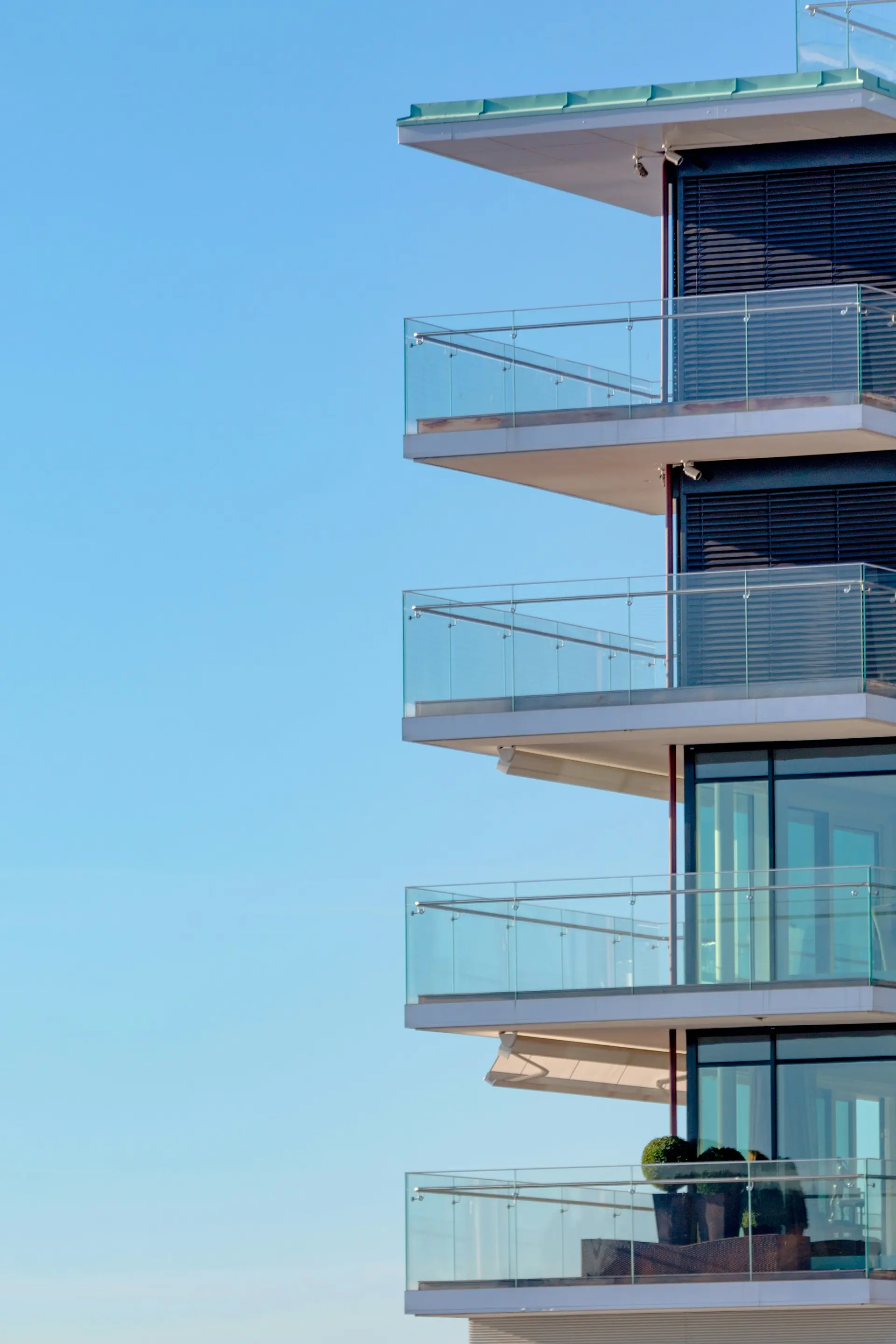

Body Corporate Insurance Crisis: Why Premiums Doubled Since 2019
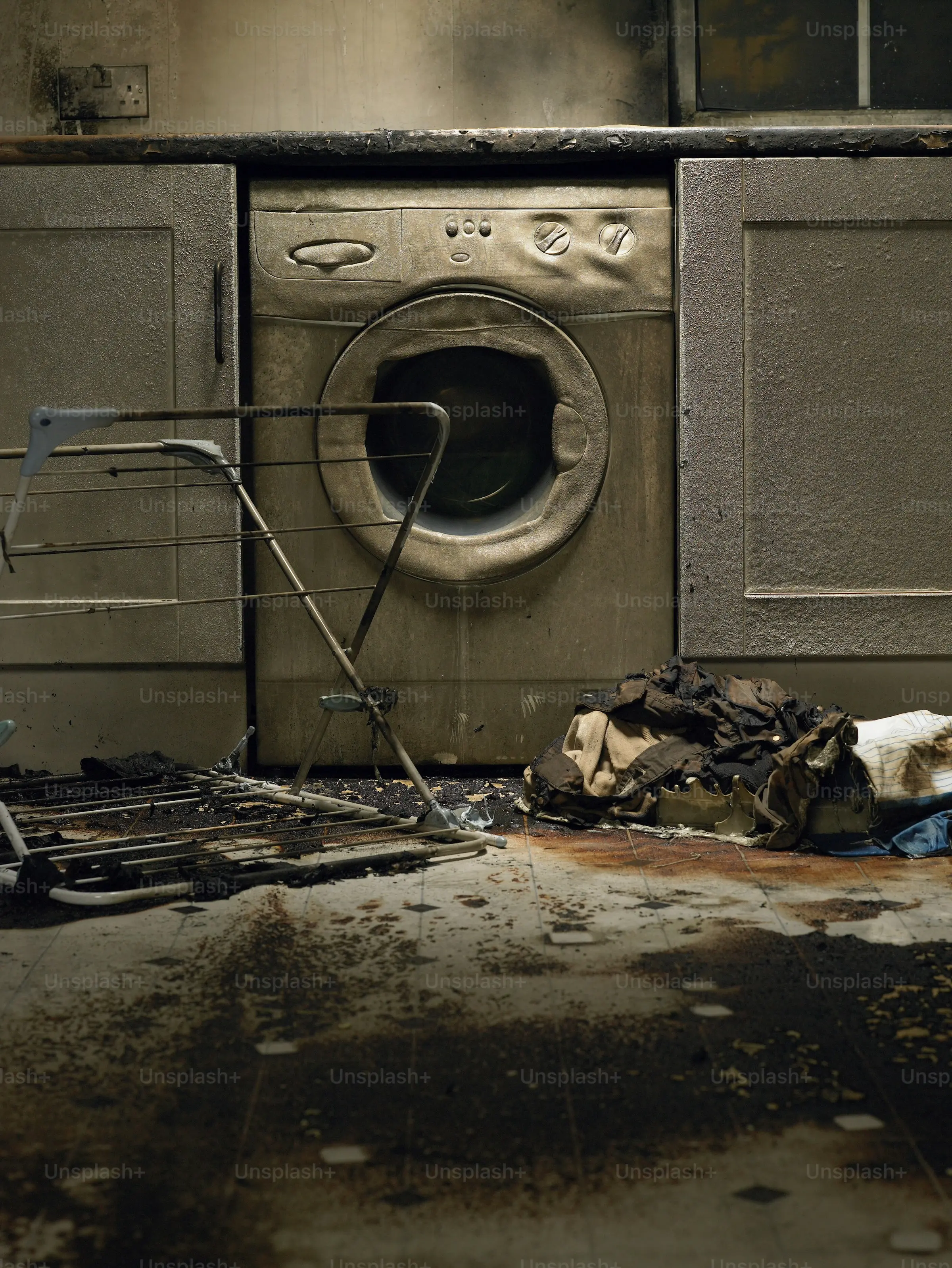
Photo: Erik Mclean
Your building is identical to the one next door. Same age, same size, same condition. But your body corporate insurance is 40% higher. How does that make sense?
It doesn't. And it's happening across Australia.
Here's something that should alarm every apartment owner: body corporate insurance premiums jumped from $940 million in 2018-19 to $1.8 billion in 2023-24. That's nearly 100% in five years. Not a typo. Your insurance costs have roughly doubled while your building hasn't changed at all.
For a typical 60-unit building, that's gone from around $42,000/year to $75,000-$85,000/year. Split across owners, your quarterly fees just jumped $225-$300 per quarter purely for insurance. And for some buildings with cladding or defect issues? Try double that.
If you're already frustrated with high body corporate fees, check out: Are My Body Corporate Fees Too High? and What Are Body Corporate Fees?
What Actually Happened
Three things collided at once, and apartment owners are stuck with the bill.
The Cladding Disaster
Remember the 2017 Grenfell Tower fire in London that killed 72 people? That kicked off a global audit of combustible cladding on apartment buildings. Australia found over 3,000 buildings nationwide with dangerous cladding, including 1,600+ in Victoria alone.
Here's the problem: most building insurance policies suddenly excluded cladding-related claims, or insurers pulled out entirely. Buildings with cladding saw premiums jump 50-200%, or worse, couldn't get insurance at all.
If you can't insure a building, you can't get a mortgage on it. Property values collapse. Owners get stuck with special levies of $15,000-$80,000 per apartment to fund cladding replacement. And even after replacement, insurance premiums stay elevated because insurers now view all buildings from that era (roughly 2000-2017) as higher risk.
Building Defects Everywhere
Here's something nobody wants to talk about: 75-85% of apartment buildings in Australia have some form of building defect. Waterproofing failures. Structural issues. Poor drainage. Faulty fire safety systems.
Why so high? During the construction boom of the 2000s-2010s, quality control slipped. Developers pushed tight schedules, subcontractors cut corners, and certifiers were under pressure to approve work quickly. Now those buildings are 10-20 years old, and defects are becoming claims.
Insurance companies caught on. They started refusing coverage for buildings with known defects, or jacking up premiums to price in the risk. For buildings in defect litigation with developers, insurance becomes either unaffordable or impossible to get.
Extreme Weather Claims
Climate change isn't abstract anymore. It's showing up in insurance claims.
Between 2019-2024, Australia saw unprecedented extreme weather events: catastrophic bushfires in 2019-20, multiple severe flooding events across NSW and Queensland in 2021-22, and repeated hailstorms causing hundreds of millions in damage. Strata insurance paid out record claims for water damage, smoke damage, and structural damage.
Insurers responded by dramatically increasing premiums for buildings in flood zones, bushfire-prone areas, or cyclone regions. Some buildings that had never flooded before suddenly found themselves uninsurable, or facing 300% premium increases after being remapped into higher-risk flood zones.
The Hidden Commission Problem
Here's something that makes the whole situation worse: secret commissions.
Many strata managers receive commissions from insurance brokers and insurers, typically 10-20% of your premium. Your building pays $80,000/year for insurance, the strata manager pockets $8,000-$16,000, and nobody tells you.
This creates obvious conflicts of interest. Is your strata manager recommending the best insurance deal for your building, or the one that pays them the highest commission? You'll never know unless they disclose it, and most don't.
The good news is that New South Wales is phasing out insurance commissions from January 1, 2026. Strata managers and committee members will be banned from receiving insurance commissions. This should reduce premiums by 10-15% for NSW buildings, if strata managers actually pass the savings through instead of increasing management fees to compensate.
Other states haven't followed yet, but there's pressure building. South Australia has tightened disclosure requirements, but commissions are still legal.
Related: Body Corporate Insurance Explained covers what your insurance actually includes.
Why Your Premium Might Be 40% Higher Than Next Door
Even two identical buildings can have wildly different premiums. Here's what insurers look at:
Claims History
One major claim (a fire, flood, or structural collapse) can send your premiums soaring for 5+ years. Insurers view your building as higher risk even after repairs. Your neighbor's building with no claims history gets cheaper insurance.
Year Built
Buildings constructed between 2000-2017 face higher premiums due to cladding concerns and the defects boom. Buildings from the 1980s-1990s or post-2017 (when building standards tightened) often get better rates.
Construction Type
Brick and concrete buildings get better rates than lightweight construction. Buildings with timber frames or mixed materials face higher premiums.
Location
Flood zones, bushfire areas, and cyclone regions all attract premium loading. Even if your building has never flooded, being in a mapped flood zone adds 20-50% to your premium.
Strata Manager Relationships
Some strata managers have preferred insurer relationships and don't shop around. Your neighbor's manager might've negotiated a better deal, or actually went to market with multiple quotes.
Building Maintenance
Well-maintained buildings with up-to-date fire safety systems, regular building inspections, and proactive maintenance get better rates. Buildings with deferred maintenance, overdue fire safety audits, or obvious defects get penalized.
Cladding Status
Even buildings without combustible cladding get caught in the dragnet. Insurers often apply blanket loading to all buildings from certain eras or with certain facade types.
What You Can Actually Do About It
You can't control cladding regulations or weather events, but you can control some factors.
Shop Around Every Year
Don't auto-renew your insurance. Get your strata manager or committee to obtain at least 3-4 competitive quotes annually. Use a strata insurance broker who works with multiple insurers, not just one.
Some buildings have cut premiums 20-30% by switching insurers. Others discovered they were over-insured (sum insured higher than actual rebuild cost) and reduced premiums by getting an updated building valuation.
Understand Your Exclusions
Read your policy. What's excluded? Flood? Earthquake? Landslip? Gradual damage? Glass breakage?
Some policies exclude specific defects identified in building reports. If you claim for waterproofing failure but your policy excludes "known defects" and you've got a building report from two years ago identifying waterproofing issues, your claim gets denied.
Understanding exclusions helps you make informed decisions about whether to switch policies or accept higher premiums for better coverage.
Improve Building Maintenance
Insurers reward buildings with strong maintenance records. Update your fire safety systems, complete overdue building maintenance, fix minor defects before they become major claims, and commission a building condition report to demonstrate proactive management.
Some insurers offer premium discounts for buildings that implement risk reduction measures like water leak detection systems, upgraded fire alarms, or CCTV security.
Increase Your Excess
Accepting a higher excess can reduce your premium. If your building's excess is $500 and you increase it to $2,500, you might cut premiums 10-15%.
The trade-off: small claims become uneconomical. But if you're primarily concerned about catastrophic loss (fire, flood, structural collapse), a higher excess makes sense.
Fix Cladding and Defects
If your building has combustible cladding or known defects, you're stuck with high premiums or no coverage until they're fixed. It's expensive (cladding replacement costs $15,000-$80,000 per apartment) but there's no other way forward.
Some states offer government grants or loans for cladding remediation. Victoria's Cladding Safety Victoria and NSW's Residential Apartment Buildings Program provide funding support.
For building defects, pursue claims against builders and developers while you're within the warranty period (typically 6-10 years). Getting defects fixed under warranty costs the body corporate nothing and makes the building insurable again.
Question Commissions
If you're not in NSW (where they're being phased out), ask your strata manager directly: "Do you receive commissions from our insurance broker or insurer? If so, how much?"
They're legally required to disclose conflicts of interest in most states. If they're receiving 15% commissions, that's $12,000/year on an $80,000 premium. You could negotiate a reduced management fee in exchange for eliminating commissions, or switch to a fee-for-service manager who doesn't take commissions.
Bundle Coverage
Some insurers offer discounts if you bundle building insurance with other policies (office bearers liability, fidelity guarantee, machinery breakdown). Ask about multi-policy discounts.
Join a Buying Group
Some large strata management firms negotiate group insurance deals across their entire building portfolio. If your manager handles 50+ buildings, they might get volume discounts. Ask whether your building benefits from any group arrangements.
Red Flags That You're Paying Too Much
You're auto-renewing without quotes. If your building hasn't gone to market in 3+ years, you're probably overpaying. Loyalty doesn't pay in insurance.
Your sum insured hasn't been reviewed. Rebuild costs change. If your building's insured for $15 million based on a 2015 valuation, but actual rebuild cost is $12 million today, you're wasting money. Get a professional building valuation every 3-5 years.
You're insured for "full replacement including GST" when you can claim GST back. Many body corporates can claim input tax credits on rebuilding. If you're eligible, you don't need to insure the GST component. That's a 10% saving on your sum insured.
Your strata manager isn't disclosing commissions. If they won't tell you whether they're getting kickbacks, assume they are and shop around with an independent broker.
You've had no claims but premiums keep rising 15%+ annually. Market-wide increases are happening, but if your building has no claims history and you're seeing 15-20% annual increases, something's wrong. Time to switch insurers.
The NSW Commission Ban: What It Means
From January 1, 2026, NSW strata managers and committee members can't receive insurance commissions. This is huge.
If your NSW building pays $75,000/year in insurance and your manager was getting 15% ($11,250), that should disappear. Theoretically, your premium drops to $63,750.
Will it actually work that way?
Maybe. Some strata managers are already increasing management fees to compensate for lost commission income. Instead of paying $11,250 in hidden commissions, you'll pay $11,250 in higher management fees, but at least it's transparent.
The best case scenario: you switch to a fee-for-service strata manager, premiums drop 10-15%, and you end up paying less overall. The worst case: managers increase fees and premiums don't drop because brokers pocket the commission instead.
What NSW owners should do:
Get quotes now (before January 2026) and again in February-March 2026. Compare both the premium and the management fee. If your premium doesn't drop after the ban kicks in, question why and consider switching brokers.
What's Coming Next
Premiums probably aren't coming back down to 2019 levels. The factors driving them up (cladding, defects, climate risk) aren't going away.
But there are signs of stabilization. The cladding crisis is being worked through, many affected buildings have now been remediated. Building quality standards have tightened post-2017. And the NSW commission ban might push other states to follow.
What to expect over the next 2-3 years:
- Continued premium increases, but at slower rates (5-10% annually instead of 15-20%)
- More insurers returning to the strata market as cladding risk reduces, increasing competition
- Buildings with good maintenance records and no claims history getting better deals as insurers differentiate more
- Flood-prone buildings continuing to face extreme premiums or uninsurability as climate risk increases
- More transparency around commissions and conflicts of interest
The Bottom Line
Body corporate insurance premiums have roughly doubled since 2019 due to the cladding crisis, widespread building defects, and extreme weather claims. That's cost Australian apartment owners an extra $860 million per year collectively.
You can't fix the systemic issues, but you can control your building's costs by shopping around annually, improving maintenance, understanding exclusions, questioning commissions, and considering higher excesses.
If you're in NSW, the January 2026 commission ban should reduce your premiums 10-15%, if it's implemented honestly. Watch closely.
For every other state: keep pressure on your strata manager to disclose commissions and shop around. The buildings getting the best deals are the ones with active, informed owners who don't just accept renewal notices without question.
Compare body corporate fees across Australia at BodyCorporateFees.com.
This article is for informational purposes only and should not be considered financial or insurance advice. Consult qualified insurance professionals and strata specialists for advice specific to your building.
Ready to Contribute Your Fees?
Add your fees to help build the database. Get access to suburb overviews when they're ready.
Contribute Your Fees