

Body Corporate Insurance Explained: What's Covered and What's Not

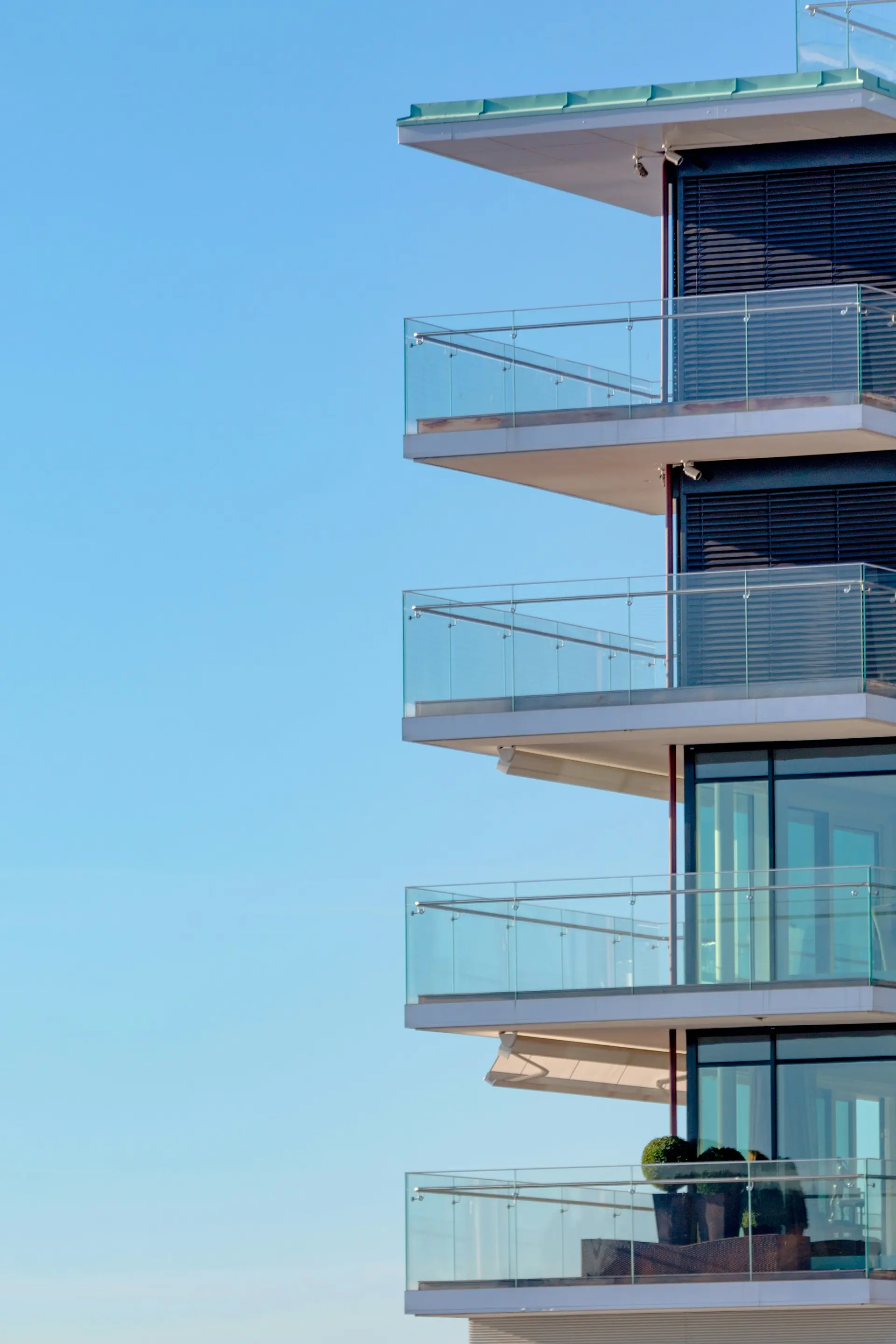
Photo: Tierra Mallorca
Here's something that trips up almost every apartment owner at some point: insurance. You're paying those quarterly body corporate fees, and part of that goes toward building insurance. But what does it actually cover? It's one of those things that seems straightforward until something goes wrong.
Getting this wrong can cost you. I've heard stories of owners who thought the body corporate insurance covered their renovations or contents, only to find out they're personally on the hook for tens of thousands of dollars in damages. Not fun.
Let's break down what body corporate insurance actually covers, what you need to handle yourself, and how to avoid those expensive gaps in coverage.
Related reading: If you're trying to understand what your body corporate fees cover or want to decode your body corporate statement, we've got guides for that. And if you're buying, check out our questions to ask before purchasing.
What the Body Corporate Actually Covers
Body corporate insurance (sometimes called strata or owners corporation insurance) isn't optional. It's legally required in all Australian states, and the costs get split among owners through those quarterly levies you're paying.
The main thing they're insuring is the building itself. We're talking about the entire structure here - walls, roof, foundations, floors, ceilings, the whole lot. That includes all the common property like lobbies, hallways, lifts, and gardens. They'll also cover shared facilities such as pools, gyms, and car parks. If it was installed by the original developer as a fixed fixture, it's probably covered. External windows and doors? Covered. Building services like plumbing and electrical systems within the walls? Yep, that's covered too.
This coverage is usually based on replacement value, which means the cost to rebuild to current building standards. That's important because building standards (and costs) have changed a lot over the years.
There's also public liability insurance, which is compulsory. This protects the body corporate if someone gets injured on common property or if the building causes damage to neighboring properties. Think about scenarios like a visitor slipping on a wet lobby floor, a balcony collapsing, or a fire spreading to the building next door. The coverage is typically somewhere between $10 million and $20 million per claim.
Beyond those mandatory coverages, well-managed body corporates often purchase optional extras. Office bearers liability protects committee members from lawsuits. Fidelity guarantee covers theft or fraud by managers or contractors. There's machinery breakdown insurance for when lifts, air conditioning, or pool equipment fail. And loss of rent coverage can compensate you if you can't occupy your unit due to insured damage.
What You're Responsible For
Here's where it gets tricky. Body corporate insurance doesn't cover everything in your apartment. Not even close.
Your personal belongings aren't covered at all. We're talking about furniture, appliances, electronics, clothing, jewelry, valuables, kitchen items, personal documents - none of it. You need your own contents insurance for that, which typically runs about $200 to $600 per year. It's not expensive, but a lot of people skip it and regret it later.
Then there's the big one: improvements and renovations. Any changes you've made beyond what the original developer installed are your responsibility to insure. Did you renovate your kitchen with new benchtops, cabinets, and appliances? That's on you. Bathroom upgrades with new tiles, vanities, and fixtures? You. Flooring changes like timber, tiles, or upgraded carpet? Definitely you. Built-in wardrobes, light fixtures, ceiling fans, air conditioning - all of it falls on your shoulders.
Here's why this matters. If the building's damaged and gets rebuilt, the body corporate insurance restores your apartment to the original specification only. Not your expensive renovations. Let's say you spent $50,000 renovating your kitchen, and then there's a fire that damages the building. The body corporate insurance will rebuild a basic builder-grade kitchen. You'll lose your $50,000 investment unless you've got improvements insurance.
You're also personally liable for damage you cause. If your washing machine floods the units below, or your renovation damages common property, or your tenant injures someone - that's on you. The good news is that home and contents insurance typically includes $10 to $20 million in liability coverage, so you're protected as long as you've got a policy.
What Neither Policy Covers
There are some things that neither the body corporate insurance nor your personal insurance will cover, and you need to know about them.
Wear and tear isn't covered by insurance. Things naturally wear out - old carpets, paint, appliances, gradual concrete deterioration, corroded pipes, normal aging. Who pays for that? The body corporate's sinking fund handles common property wear and tear, and you're stuck with your own pocket for your unit.
Poor workmanship or defects aren't covered either. If there's damage from faulty construction, you'd need to claim against the builder under warranty, and that's usually only possible within 6 to 10 years.
Extended vacancy can be an issue too. Most policies exclude damage if your unit's unoccupied for 60 to 90 days or more without you notifying the insurer. If you're an investor, always tell your insurer about vacancy between tenants.
And watch out for certain natural disasters. You'll need to check your specific policy for exclusions on things like earthquakes, floods, or earth movement.
The Betterment Trap
There's this thing called betterment that catches people off guard. Basically, the insurer reduces your payout because the replacement is "better" than what was damaged.
Here's how it works. Say your 20-year-old carpet gets water damaged. The replacement cost is $5,000, but the insurer values your old, worn carpet at $1,000. They'll pay you $1,000, and you're stuck paying the other $4,000 for the "betterment" of getting new carpet instead of 20-year-old carpet. Not ideal.
The solution is to get "new for old" replacement coverage in your policy. It costs a bit more, but it's worth it.
How to Check Your Coverage
First, request the body corporate policy. You've got a legal right to see it - just contact your strata manager. When you get it, look at the coverage amount and make sure it's sufficient to rebuild. Check what's included versus excluded, and pay attention to where the dividing line is between body corporate and owner responsibility. Don't forget to look at the excess amounts too.
Then review your own insurance. For contents, ask yourself if the sum insured is adequate. Do you have "new for old" replacement coverage? Are high-value items separately listed? For improvements, have you added "fixtures and improvements" coverage, and is the amount sufficient for all your renovations? For liability, do you have at least $10 million in coverage that includes damage to common property and neighbors?
If you find gaps, fill them. Increase your contents sum insured, add fixtures and improvements coverage, and get specific valuations for expensive renovations.
Questions Worth Asking
Whether you're buying or you're already an owner, there are some questions you should be asking.
Can I see the current building insurance policy? When was the sum insured last reviewed - it should be every 3 to 5 years. Is it replacement value or indemnity value? Replacement's better. What's the excess and who pays it? It's typically $500 to $5,000. Does it cover owners' improvements? Usually no. Any exclusions I should know about, like flood or earthquake coverage? Is there loss of rent coverage? And are there any known risks affecting insurance, such as cladding issues, defects, or claims history?
Red Flags
Watch out for underinsurance - that's when the building's insured for less than the rebuild cost. If there's a major claim, owners face special levies to cover the difference. Ask when the last professional building valuation was done.
High excess amounts can be a problem too. If the building's got a $10,000-plus excess, small to medium claims become uneconomical.
A major claims history is another concern. Repeated claims lead to higher premiums, difficulty getting insurance, or added exclusions. Ask about claims over the last 5 to 10 years.
And here's the big one: inability to get insurance. Buildings with flammable cladding, structural defects, or flood risk may struggle to get coverage or face extreme premiums. This is critical due diligence if you're buying.
Quick Reference
The body corporate insures the building structure and common property, original developer's fixtures, and public liability on common property.
You must insure all personal contents, renovations and improvements, and personal liability for damage you cause.
Neither covers wear and tear, poor workmanship (you'd need to claim against the builder for that), cosmetic damage, or some natural disasters (check those exclusions).
What to Do Now
If you're buying, request the building insurance policy during due diligence. Check the sum insured, excess, exclusions, and claims history. Budget for your own contents and improvements insurance.
If you're already an owner, request the current policy from your strata manager. Review your own insurance for gaps. Add fixtures and improvements coverage if you've renovated. Make sure you've got adequate contents and liability coverage.
If you're on the committee, review insurance annually. Ensure the sum insured is based on a recent professional valuation. Consider optional coverages like office bearers liability, fidelity guarantee, and machinery breakdown. Shop around via strata-specialist insurance brokers.
Why Body Corporate Insurance Costs Are Rising
If your body corporate levies have jumped significantly in the past few years, insurance is likely a major reason. Building insurance premiums across Australia have risen 30–80% since 2019, with some high-risk buildings seeing premiums double or triple.
Several factors are driving this:
Climate risk repricing. Insurers have updated their models to reflect the rising frequency and severity of extreme weather events: cyclones in Queensland, flooding in NSW and Victoria, and bushfire exposure across multiple states. Properties in these risk corridors are being priced accordingly.
Construction cost inflation. Building insurance is priced on replacement value. When construction costs rise 30–40% (as they did between 2021 and 2024), replacement values rise with them, and so do premiums.
Cladding and building defects. Buildings with aluminium composite cladding, combustible external materials, or known structural defects are being declined coverage entirely by some insurers, or offered coverage only at extreme premiums. This has concentrated risk in the remaining insurers willing to cover these buildings.
Reduced insurer competition. Several major insurers have exited the Australian strata market or significantly restricted their appetite. Fewer insurers competing for the same risk means less pricing pressure.
What this means for your levies: Insurance can represent 20–40% of your annual admin fund in high-risk areas, or in older buildings. If your strata manager renewed last year without shopping the market across multiple specialist insurers, your building may be paying significantly above market rates.
Ask your committee: when was the last time the building's insurance was market-tested with at least three specialist strata brokers? Under NSW's 2025 reforms, strata managers are now legally required to obtain three quotes. Owners in other states should ask the same question as best practice.
State-by-State: Compulsory Insurance Requirements
Body corporate insurance is mandatory across Australia, but each state has its own legislation and minimum coverage requirements.
| State | Legislation | Minimum Required Coverage |
|---|---|---|
| NSW | Strata Schemes Management Act 2015 | Building replacement value (professional valuation required for schemes with 100+ lots); public liability minimum $20M |
| QLD | Body Corporate and Community Management Act 1997 | Full replacement value of common property and buildings; public liability |
| VIC | Owners Corporations Act 2006 | Building insurance for replacement/reinstatement; public liability; compulsory for Tier 1–2 schemes (>$200K annual fees) |
| WA | Strata Titles Act 1985 | Building and public liability; strata company must insure all buildings on the scheme |
| SA | Community Titles Act 1996 | Building insurance and public liability |
| TAS | Strata Titles Act 1998 | Building insurance covering full replacement cost |
| ACT | Unit Titles (Management) Act 2011 | Building and public liability; compulsory valuation every 5 years |
| NT | Unit Title Schemes Act 2009 | Building and public liability |
One important difference: in Victoria, smaller owners corporations (fewer than 100 lots and annual levies under $200,000) have less prescriptive requirements. But even smaller Victorian schemes should carry building insurance. The exposure from an uninsured loss is catastrophic.
In Queensland, insurance commissions paid to strata managers must be disclosed to the owners corporation under the BCCM Act. Given that commissions can represent 5–15% of the insurance premium, this transparency matters.
What Does Body Corporate Insurance Actually Cost?
It's genuinely difficult to give precise figures because premiums vary enormously based on building age, size, location, construction type, claims history, and insurer appetite. But as a rough orientation:
Low-risk residential buildings in benign locations: $500–$1,500 per lot per year in admin levy contributions toward insurance.
Mid-tier buildings in normal risk areas: $1,500–$4,000 per lot per year.
High-risk buildings (older construction, coastal or cyclone-prone locations, complex buildings with pools and lifts, or those with cladding issues) can run $5,000–$12,000+ per lot per year, and some are uninsurable at any price through standard markets.
The clearest signal that your building is overpaying: your insurance renewal went up 25%+ in one year, but your strata manager renewed with the same insurer without market-testing. In a properly competitive market, a quality strata insurance broker can often find 10–25% savings compared to a non-tendered renewal.
Frequently Asked Questions
Do I need my own contents insurance if the body corporate already has building insurance?
Yes, absolutely. Body corporate insurance covers the building and common property. It does not cover your personal belongings (furniture, electronics, clothing, valuables) or any improvements you've made beyond original developer specifications. Your own home and contents policy covers these. It costs $200–$600/year for most apartments and is worth every cent.
Who pays the insurance excess if there's a claim?
It depends. For claims arising from common property damage, the body corporate typically pays the excess from the admin fund. For claims involving damage you caused (e.g., your washing machine leaked), you may be personally liable for the excess. The amount (typically $500–$5,000) should be specified in your body corporate's insurance policy. Ask your strata manager to confirm the arrangement.
What happens if my building can't get insurance due to cladding?
Buildings with combustible cladding (particularly aluminium composite panels) have found themselves in a difficult insurance market. Some have faced extreme premium increases; others have been declined entirely by standard insurers and had to seek coverage through specialised excess-of-loss markets at very high cost. If your building has a cladding issue, this should be disclosed by the committee and addressed urgently. Beyond the fire safety risk, uninsured or inadequately insured buildings leave every owner personally exposed.
Can the body corporate change insurers without owners voting?
Generally yes. The strata manager or committee can place or renew insurance without a general meeting vote, as managing insurance is typically within their delegated authority. However, material changes to coverage, significant premium increases, or switching to a substantially different policy should be disclosed to owners. Under NSW's 2025 reforms, strata managers must obtain three quotes and disclose all commissions.
My building was recently valued for insurance purposes. How often does this need to happen?
In the ACT, professional insurance valuations are required at least every 5 years by law. NSW recommends (and some schemes require) more frequent valuations. Elsewhere in Australia, annual reviews by the strata manager of the sum insured are standard practice, but these aren't always backed by a qualified valuation. For buildings with 50+ lots, an independent building replacement cost assessment every 3–5 years is strongly recommended. Underinsurance at claim time is a risk you cannot recover from after the event.
Getting Help
Too many owners only discover coverage gaps after a major loss - when it's too late to fix it.
You might find these guides helpful: Understanding Your Body Corporate Statement shows your insurance breakdown, Questions to Ask Before Purchasing covers pre-purchase insurance checks, and Body Corporate Special Levies Guide explains what happens if insurance doesn't cover the damage.
This article is for informational purposes only and shouldn't be considered financial or legal advice. Always consult qualified professionals for advice specific to your circumstances.
Ready to Contribute Your Fees?
Add your fees to help build the database. Get access to suburb overviews when they're ready.
Contribute Your Fees