

Climate-Proofing Your Apartment Building: What Body Corporates Need to Do Now

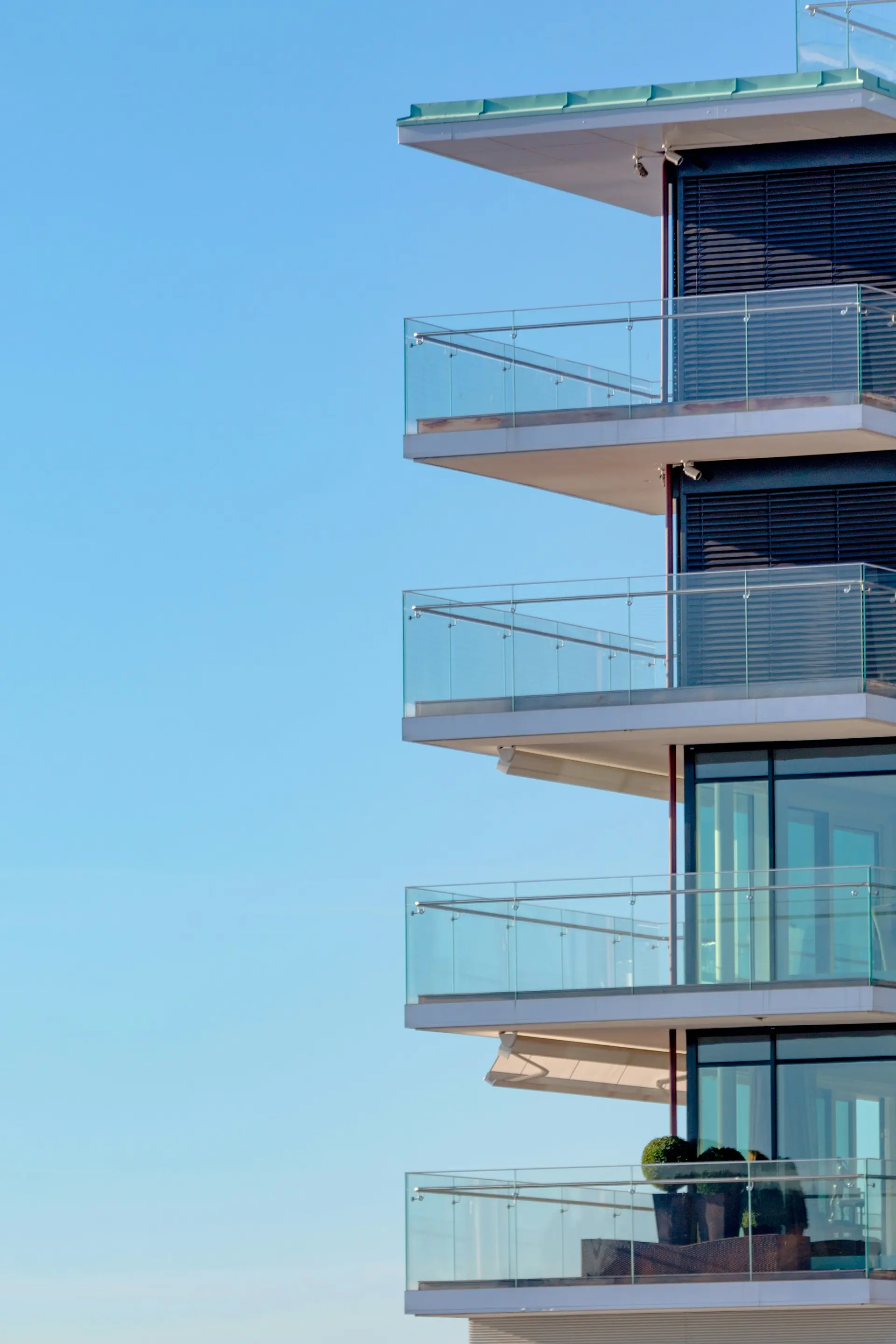
Photo: Markus Spiske
The committee chair handed around the renewal notice without comment. The building's premium had risen 31 percent in a single year. The block had not lodged a claim, had not added any units, had not changed any of its risk attributes - or so the committee thought. The broker's explanation, delivered later that week, was direct: the building was in a postcode the insurer's catastrophe model had reclassified after the last storm season, and the underlying reinsurance cost had moved with it.
Climate risk is now reshaping strata insurance pricing across Australia in ways that owners can no longer treat as somebody else's problem. The Insurance Council of Australia and broker data suggests that 40 to 60 percent of recent premium increases for residential strata buildings track back to extreme weather and the reinsurance costs that follow. A body corporate that wants to manage its fee trajectory now needs to think about its building's resilience to flood, cyclone, hail, storm, and bushfire as part of its financial planning - not as an abstract environmental matter.
How Climate Risk Translates to Your Premium
Strata insurers price risk against four broad climate categories: flood, cyclone, storm and hail, and bushfire. Each is assessed at postcode or address level based on catastrophe models that pull on historical claims, terrain and elevation data, vegetation, building stock, and reinsurance pricing.
When a region experiences a significant event - a flood, a cyclone, a major hail storm - insurers and reinsurers update their models. Premiums in that region typically rise the next renewal, regardless of whether your specific building was affected. The mechanism is collective: the reinsurer charges the insurer more, and the insurer passes that cost through.
Two practical implications follow:
- Buildings in higher-risk postcodes are paying more even when they have not claimed.
- Buildings that can demonstrate above-baseline resilience to the specific climate risks in their area can sometimes negotiate better pricing - though this needs to be done with care and supporting evidence.
The Cyclone Reinsurance Pool: A Specific Lever for Northern Buildings
For buildings in cyclone-affected areas, the federal Cyclone Reinsurance Pool (administered by the Australian Reinsurance Pool Corporation, ARPC) is one concrete lever that can reduce premium costs. The Pool subsidises reinsurance for cyclone risk in eligible postcodes, and strata buildings in those postcodes can see meaningful reductions on the cyclone component of their premium when insurers pass the saving through.
A few practical points:
- Eligibility is based on postcode and building characteristics. Most residential strata buildings in cyclone-affected areas are eligible.
- The saving flows through your insurer, not directly to the body corporate. You should ask your broker explicitly whether the Cyclone Pool subsidy has been applied to your policy.
- Cyclone Pool savings are most material in north Queensland, the WA Pilbara and Kimberley regions, and the NT. They are negligible outside cyclone zones.
A surprising number of strata buildings in eligible areas are insured with the Cyclone Pool either not applied or applied without the saving being passed through transparently. This is worth checking at every renewal.
What Resilience Measures Actually Reduce Premiums
Not every resilience upgrade is recognised by insurers in pricing. The measures that consistently move the needle are the ones tied to specific, well-understood risk pathways. Three categories tend to deliver the strongest combination of premium impact and capital efficiency.
Stormwater and flood resilience
Premium impact comes from anything that demonstrably reduces flood depth, flood entry, or stormwater backup. The practical measures include:
- Upgrading basement carpark drainage and installing backflow valves
- Sealing basement carpark entries with deployable flood barriers
- Raising critical electrical infrastructure (switchboards, lift motor rooms) above documented flood levels
- Upgrading roof drainage capacity to handle higher-intensity rainfall events
Insurers respond to documented flood mitigation where it is supported by an engineering report.
Storm and hail resilience
Storm damage is one of the most frequent claim types in southern and eastern Australia. Measures that reduce exposure include:
- Replacing aging roof coverings with rated impact-resistant materials at the next scheduled renewal
- Securing or replacing rooftop plant and equipment with appropriate cyclonic or storm ratings
- Tree management around the building (well-documented; insurers do pay attention)
- Window film or impact-rated glazing for exposed orientations
Bushfire resilience
For buildings in bushfire-prone areas, resilience improvements can be material to both premium and insurability:
- Ember-proofing roofs, gutters, and external vents
- Replacing flammable landscaping and mulch within the asset protection zone
- Upgrading external cladding where combustible materials are present (this overlaps with the broader cladding remediation program)
- Maintaining clear evacuation paths and signage
The combination of resilience measure and engineering documentation is what matters at renewal. Insurers will not adjust pricing on the basis of an undocumented assertion that the building is "well maintained."
Folding Climate Resilience Into the Capital Works Plan
Most resilience measures are not small enough to absorb in admin fund maintenance, but they are too important to defer. The practical solution is to fold them into the building's 10-year capital works plan as identifiable line items, rather than dealing with them as one-off proposals each year.
A useful structure:
- Commission a climate risk and resilience assessment for the building (typically $3,000 to $8,000 from a building engineer with this specialty).
- Have the assessment identify priority measures with cost estimates and likely premium impact.
- Integrate the prioritised measures into the next sinking fund review.
- Time major resilience works with already-scheduled capital expenditure - roof replacements, facade works, balcony waterproofing - to reduce incremental cost.
The benefit of this approach is that it converts climate resilience from a one-off political issue at AGM into a quiet line item in a long-term plan that the committee already presents and defends each year.
What Doesn't Work
A few categories of effort that committees often pursue with limited financial return:
- Generic energy efficiency upgrades sold as climate measures. These can deliver operating savings but do not typically reduce insurance premiums.
- Insurer-shopping without underlying risk improvements. A different insurer may give a different price for a year or two, but the underlying risk drivers eventually catch up.
- Solar and battery installations framed as resilience. Solar and batteries are valuable - but their effect on insurance pricing is minimal unless they're paired with documented backup capability tied to insurer-recognised standards.
The pattern is consistent: insurance pricing responds to documented changes in the specific risks the model prices for. Other improvements may be worth doing, but they should not be sold to owners as premium-reducing measures.
Key Takeaways
- Climate risk now drives 40-60 percent of recent strata premium increases, and the pricing mechanism flows through reinsurance, not individual building claims history.
- The Cyclone Reinsurance Pool can materially reduce premiums for eligible buildings in cyclone-affected areas - confirm with your broker whether it's been applied.
- Flood, storm, and bushfire resilience measures with engineering documentation can move premium pricing; undocumented upgrades typically do not.
- Integrate resilience into the 10-year capital works plan rather than treating it as a recurring AGM debate - time major resilience works with already-planned capital expenditure.
- Be wary of resilience pitches that aren't tied to specific insurer-recognised risk categories - many sound good but don't change pricing.
Compare body corporate fees across Australia at BodyCorporateFees.com.
This article is for informational purposes only. Insurance pricing and resilience measures vary significantly by location and building type. Speak with a strata insurance broker and qualified building engineer about measures appropriate to your building.
Ready to Contribute Your Fees?
Add your fees to help build the database. Get access to suburb overviews when they're ready.
Contribute Your Fees