

3 Smart Building Technologies That Actually Reduce Body Corporate Fees
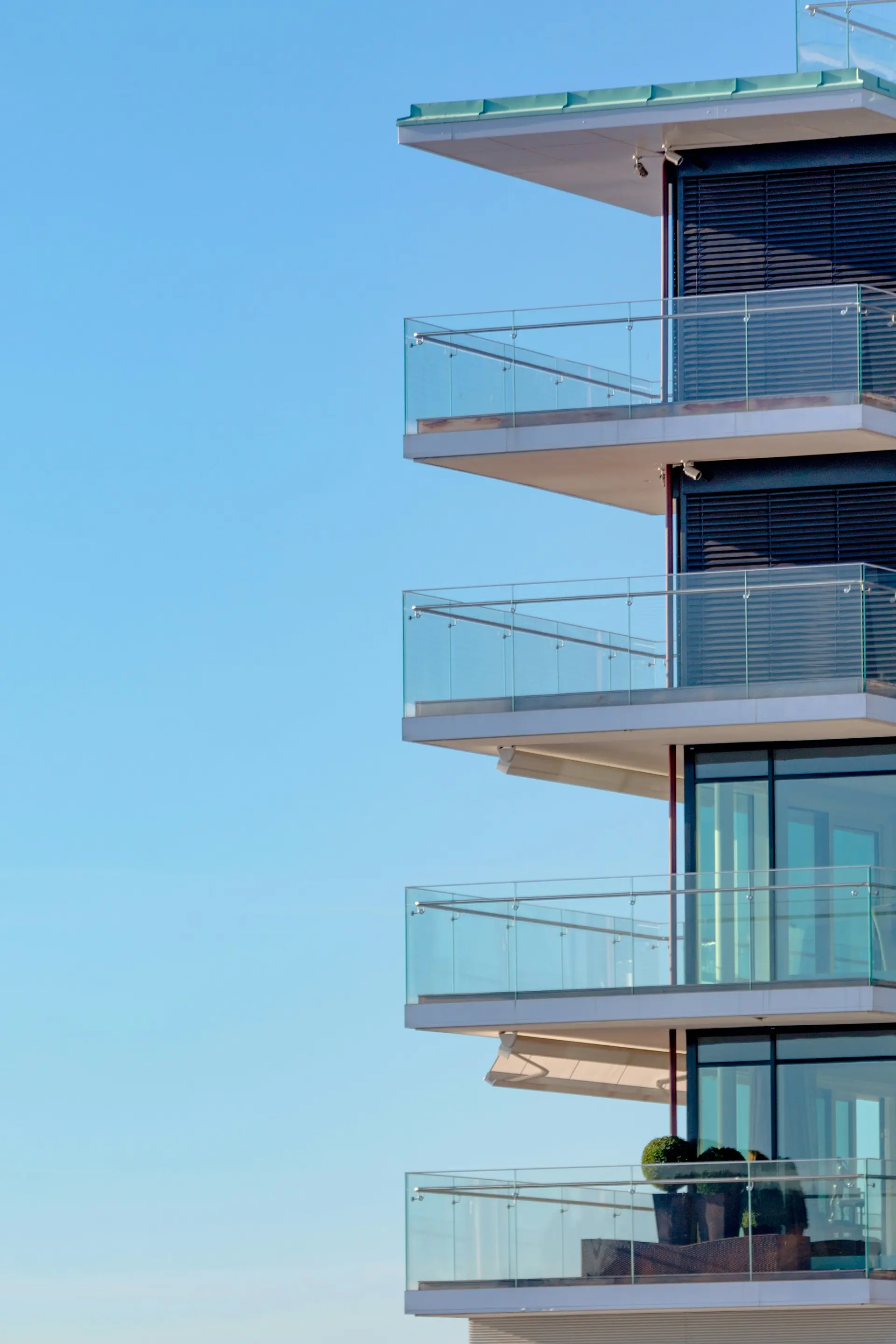
Photo: Elifin Realty
The pitch usually arrives at the same time each year - somewhere between the AGM and the budget review. A vendor knocks on the door of a strata committee with a slide deck full of dashboards, sensors, and savings projections. The numbers always look good. The reality is that most building technology pitched at body corporates either pays back over a timeline longer than its useful life, or never quite delivers what was promised.
There are exceptions. Three categories of smart building technology have matured to the point where the financial case is genuinely strong for medium-to-large strata buildings. They share a common feature: they reduce either a major operating cost or a major insurance-relevant risk, and they do it with payback periods short enough that committees can defend the spend at the next AGM.
1. AI Leak Detection: Stopping the Six-Figure Claim
Water damage is the single largest source of insurance claims in Australian strata buildings. A burst flexi-hose in a sixth-floor bathroom that runs overnight can cause $80,000 to $150,000 in damage by the time someone notices. The claim gets paid, but the premium increase that follows can persist for years.
AI-enabled leak detection systems address this directly. Sensors are placed at high-risk points - hot water systems, laundry connections, under-sink valves, common-area plant rooms - and a central controller monitors flow patterns. When the system detects flow that matches a leak signature (continuous flow at unusual hours, gradual pressure decline, repeating low-volume drips), it can trigger an alert, shut a valve automatically, or both.
What it actually costs: A whole-building system for a 50-unit complex typically runs $25,000 to $45,000 installed, depending on the number of monitoring points and whether automatic shut-off valves are included. Smaller buildings (under 20 units) can be retrofitted from around $8,000.
What it actually saves: The direct utility saving from catching slow leaks early is usually in the $2,000 to $5,000 per year range for a medium building. The real saving is in avoided insurance claims and the premium increases that follow them. Insurance brokers increasingly offer premium discounts of 5-12% for buildings with monitored leak detection - on a $40,000 annual premium, that alone can cover most of the installation cost over three to five years.
The committee case is straightforward: one prevented claim typically pays for the entire system.
2. Smart HVAC Controls: The Biggest Operating Line You're Probably Overpaying
In buildings with central heating, cooling, or ventilation systems, HVAC is often the largest single line item in the admin fund after insurance. Most central systems in older buildings run on simple schedules - on at 6am, off at 10pm - regardless of whether the spaces being serviced are occupied or whether outside conditions justify the load.
Smart HVAC controls fix this. Occupancy sensors, weather integration, and machine learning models that learn the building's thermal behaviour can typically deliver 15 to 25 percent energy reductions without any reduction in comfort. For a building running $40,000 to $80,000 annually on common-area HVAC, that is a meaningful saving line.
What it actually costs: Retrofit costs depend heavily on the existing system. A modern Building Management System (BMS) with smart controls layered on top of existing infrastructure typically runs $15,000 to $50,000 for a medium-sized residential building. Older buildings with no BMS may need more substantial upgrades.
What it actually saves: A well-implemented smart HVAC retrofit on a building spending $60,000 a year on common-area HVAC will typically reduce that bill by $10,000 to $15,000 annually. Payback periods of two to four years are realistic. The system also flags equipment failures earlier, reducing emergency callout costs.
A common pitfall: vendors sometimes oversell savings by including building-wide consumption (lot owners' own usage) in their projections. The savings that actually flow to the body corporate are only those tied to common property HVAC. When evaluating quotes, ask the vendor to itemise savings against the body corporate's own electricity accounts, not total building consumption.
3. Automated Lighting: The Boring Upgrade With the Fastest Payback
Common-area lighting - carparks, corridors, stairwells, lobbies, plant rooms - runs constantly in most buildings. In a multi-storey building with a basement carpark, common-area lighting can account for 30 to 50 percent of the body corporate's electricity bill.
Two upgrades combine to make this the fastest-payback category on the list:
- LED replacement for fluorescent or halogen fittings, where it hasn't already happened
- Occupancy and daylight sensors that switch lights off in unoccupied carpark zones, dim corridor lights at low-traffic hours, and turn off lobby lights when natural daylight is sufficient
The combination of these two changes typically reduces common-area lighting electricity by 50 to 70 percent.
What it actually costs: For a medium building, a comprehensive LED-plus-sensor retrofit runs $15,000 to $35,000. Many jurisdictions have rebates available that bring the net cost down by 20 to 40 percent.
What it actually saves: A building previously spending $12,000 a year on common-area lighting can typically drop that to $4,000 to $6,000. Payback periods of 18 months to three years are typical. Maintenance savings on bulb replacement are an additional benefit that owners often forget to count.
Of the three categories on this list, lighting upgrades are the easiest to get approved at an AGM - the technology is mature, the savings are well documented, and the disruption during installation is minimal.
How to Propose Smart Tech to Your Committee
Three things consistently distinguish a successful proposal from one that gets deferred indefinitely:
Get two or three quotes. Vendors' savings projections vary wildly. Multiple quotes give the committee something to compare and weed out overpromised numbers.
Separate the body corporate's savings from total building savings. Only the savings attached to common property bills affect levies. Lot owners' individual energy savings are nice but don't change the body corporate's financial position.
Frame the case in payback period, not annual saving. Committees are more comfortable approving a $30,000 spend with a three-year payback than they are with the same project framed as $10,000 a year in vague future savings.
The buildings that are getting ahead on operating costs are the ones treating these technologies as financial decisions, not technical ones. The payback maths is the point - the dashboards are just the by-product.
Key Takeaways
- AI leak detection can pay for itself by preventing a single major claim and typically attracts a 5-12% insurance premium discount.
- Smart HVAC controls typically deliver 15-25% reductions on common-area HVAC bills, with payback in two to four years for medium buildings.
- Automated lighting has the fastest payback - usually 18 months to three years - and is the easiest upgrade to get approved at an AGM.
- Body corporate savings only matter for fee reduction - savings on lot owners' individual bills don't change levies.
- Get multiple quotes and frame proposals in payback period, not just annual savings, to maximise the chance of committee approval.
Compare body corporate fees across Australia at BodyCorporateFees.com.
This article is for informational purposes only. Savings estimates are indicative and depend on building size, existing infrastructure, and usage patterns. Get tailored quotes for your specific building before making investment decisions.
Ready to Contribute Your Fees?
Add your fees to help build the database. Get access to suburb overviews when they're ready.
Contribute Your Fees