


E-Bikes in Apartments: Can Your Body Corporate Ban Them? Battery Fire Rules Explained
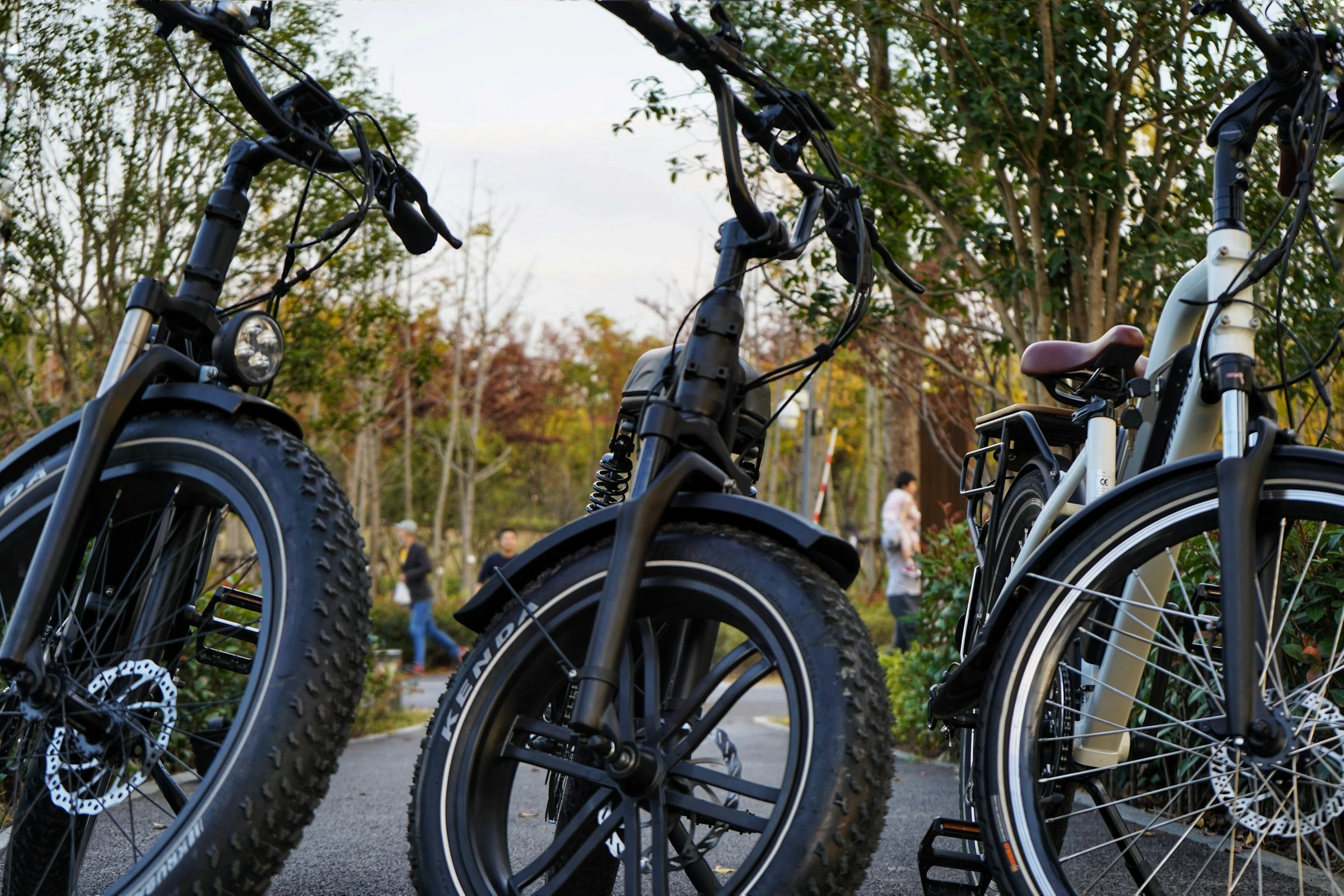
Photo: Himiway Bikes
Your neighbour just wheeled their new e-bike through the lobby and into the lift. Your strata committee has been quietly avoiding the conversation about battery charging for months. Last week, a building two suburbs away evacuated forty residents after an overnight e-bike battery fire gutted an apartment. Now the committee chair is asking whether you can just ban them altogether.
The short answer: probably not. The more useful answer: you don't need to. What you can do is regulate where and how batteries are charged - and that's where most of the real risk sits anyway.
Here's what's happening across Australia, what the law allows, and what your body corporate should actually do.
Why These Fires Are Different
Lithium-ion batteries can fail through a process called thermal runaway - a self-sustaining chemical chain reaction where cells heat rapidly, catch fire, and release toxic gases including hydrogen fluoride. Once it starts, it's nearly impossible to stop with a standard dry-powder extinguisher. These fires burn at extreme temperatures, spread through walls quickly, and have been known to reignite hours after appearing extinguished.
The risk is highest during charging, particularly with damaged batteries, incompatible chargers, or batteries left unsupervised overnight in confined spaces. Cheaper imports without proper safety certification fail significantly more often than quality, certified units. And in an apartment building, the consequences of one battery fire aren't limited to one apartment.
Fire and Rescue NSW has recorded a substantial increase in lithium-ion battery-related fires across the state. Queensland and Victoria are reporting similar trends. The problem is real, it's growing, and it's not going away.
NSW: Mandatory Safety Standards From February 2025
From 1 February 2025, NSW introduced mandatory product safety standards for e-bikes and e-scooters under Australian Consumer Law. Suppliers who sell non-compliant products face penalties of up to $825,000 for corporations and $220,000 for individuals.
The standards require compliance with specific Australian and international specifications covering battery cell quality, charger compatibility, and short-circuit protection. Products must carry clear identification markings and safety warnings.
What this means practically: e-bikes purchased in NSW from February 2025 onward should meet these standards. But the millions of older bikes already in circulation - particularly cheaper imports - aren't covered by retrospective enforcement. Your building almost certainly has some of both.
Committees can reference these standards in bylaws: requiring that only compliant products be stored and charged in the building is a reasonable and defensible position.
Can Your Body Corporate Actually Ban E-Bikes?
Almost certainly not outright - and trying could expose your committee to a tribunal challenge.
E-bikes are increasingly essential transport. For some owners, they're the primary way to commute, run errands, or manage a physical disability. A blanket ban on a mode of transport is likely to be found harsh or oppressive at a tribunal, particularly where the owner can show the bike is necessary for daily life.
What you can do is regulate the hazardous activity - where and how batteries are charged and stored on common property. This is where tribunals across all states have consistently found body corporates on solid ground:
- Prohibit charging and storage in common areas - hallways, car parks, lift lobbies, bin rooms
- Restrict charging to a designated area - such as a ventilated, fire-rated charging station
- Prohibit unattended overnight charging inside apartments - harder to enforce but defensible as a documented safety measure
- Require products to comply with Australian safety standards
- Require batteries to be disconnected from chargers when not in use in common areas
The principle across all states: restrict the hazardous activity, not the mode of transport.
State-by-State Summary
NSW: Mandatory safety standards apply from February 2025. Bylaws restricting charging to designated locations are increasingly common and well-supported at NCAT where they're clearly safety-motivated.
Queensland: The BCCM Commissioner's Office has issued guidance recommending that bodies corporate develop formal policies on lithium-ion battery storage and charging. QCAT has upheld bylaws restricting where batteries are charged when the safety rationale is clear.
Victoria: No state-specific e-bike legislation yet, but the Metropolitan Fire Brigade has published fire safety guidance for apartment buildings. VCAT has found safety-motivated restrictions on charging locations to be reasonable.
SA, WA, ACT, TAS, NT: No state-specific e-bike strata regulations at time of writing. General bylaw powers apply - reasonable restrictions on common property use for safety purposes are enforceable under each state's strata legislation.
Insurance Implications
This is where the conversation gets expensive fast. Strata insurance policies are evolving quickly in response to lithium-ion battery claims, and the conditions vary significantly between insurers:
- Some policies exclude damage caused by batteries that don't meet Australian safety standards
- Some insurers are adding premium loadings for buildings without documented battery charging policies
- A small number now require evidence of a charging management bylaw as a condition of renewal
- Where a battery fire causes significant damage, insurers may pursue contribution claims against the owner whose battery caused it
Check your building's current strata insurance policy now. If your insurer has battery-related exclusions and your building has no charging rules, you may be sitting on an uninsured gap that could cost hundreds of thousands of dollars.
Related: Body Corporate Insurance Crisis: Why Premiums Doubled Since 2019 explains how new risk factors are reshaping what strata insurance covers and excludes.
Five Steps for Committees Right Now
Step 1: Read your insurance policy. Look specifically for lithium-ion battery or e-micromobility exclusions. If you're unsure, call your insurer and ask directly.
Step 2: Audit your building. Identify where e-bikes and scooters are currently being stored and charged. Hallways and car parks are the most common - and most dangerous - locations.
Step 3: Draft a bylaw. Engage a strata lawyer to prepare a bylaw restricting charging to a specific, safe location. It doesn't need to be complex - clarity matters more than length, and a court or tribunal will enforce a clear, reasonable rule.
Step 4: Consider installing charging infrastructure. A fire-rated battery charging station typically costs $2,000–$8,000 depending on capacity. Giving residents a safe alternative removes the practical objection to the charging restriction.
Step 5: Communicate before you enforce. Owners who understand the fire risk are far more likely to comply voluntarily than those who receive a terse notice about rule changes. A brief explanation of the NSW standards and insurance implications goes a long way.
Key Takeaways
- Outright e-bike bans are likely unenforceable - restrict where and how batteries are charged, not whether owners can have e-bikes.
- NSW mandatory safety standards apply from February 2025 with significant penalties for suppliers of non-compliant products.
- Bylaws restricting charging to designated areas are enforceable across all states when they're clearly safety-motivated.
- Check your insurance policy - battery exclusions are increasingly common and could leave your building underinsured.
- A designated charging area solves most of the problem - it gives your bylaw practical effect and removes the hardship argument.
Compare body corporate fees across Australia at BodyCorporateFees.com.
This article is for informational purposes only and should not be considered legal advice. Bylaw requirements and enforceability vary by state and individual circumstances. Consult a qualified strata lawyer for advice specific to your building.
Ready to Contribute Your Fees?
Add your fees to help build the database. Get access to suburb overviews when they're ready.
Contribute Your Fees