

Fire Safety in Apartment Buildings: What Australian Body Corporates Must Do
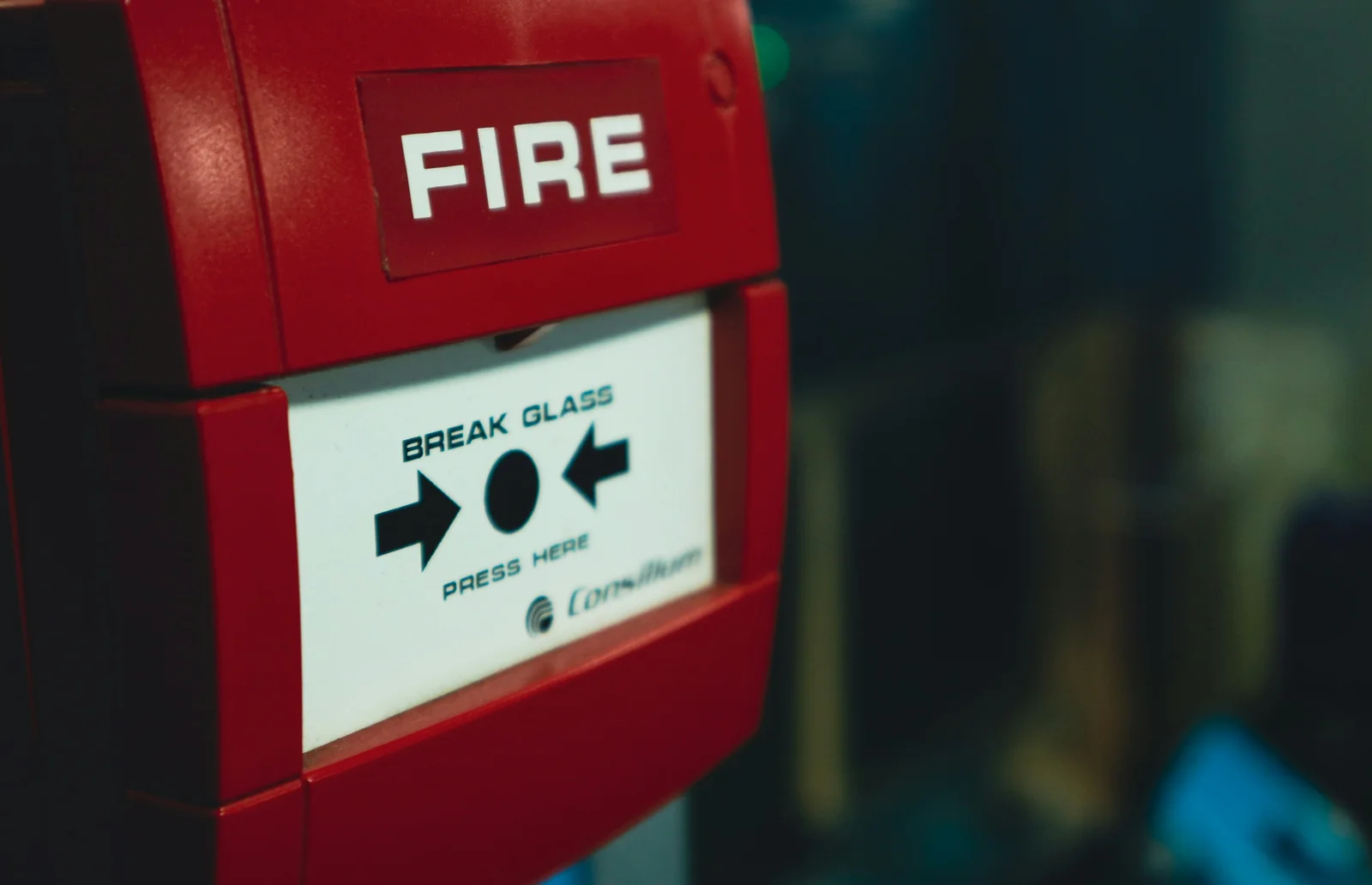
Photo: iSawRed
The fire safety inspection report landed on a Thursday. Twenty-three deficiencies identified during the annual inspection. Six of them classified as critical - including a fire sprinkler zone that hadn't been test-activated in three years and smoke detectors in two stairwells that had failed silently. The building manager's estimate for rectification: $85,000. If that sounds like the beginning of a special levy conversation, it is.
Fire safety compliance is one of the most consequential obligations a body corporate carries. It's not optional, it can't be deferred indefinitely, and the cost of getting it wrong - in insurance, legal liability, and the unthinkable worst case - is severe. Here's what Australian apartment buildings are required to do, who pays, and what owners should be asking.
What Fire Safety Compliance Actually Involves
All multi-storey apartment buildings in Australia must maintain fire safety systems to a standard prescribed by their state's building code, fire safety regulations, and - in most cases - the national standard AS 1851 (Routine Service of Fire Protection Systems and Equipment).
These systems include:
- Fire sprinkler systems - inspected and tested to ensure full coverage and correct water pressure
- Smoke detection and alarm systems - tested regularly to confirm they activate correctly and communicate with the fire indicator panel
- Emergency lighting - verified to activate on power failure and illuminate escape routes adequately
- Exit signs - confirmed operational and visible at all times
- Fire doors - inspected to ensure they close fully, latch correctly, and are not propped open or obstructed
- Hydrants, hose reels, and extinguishers - inspected, pressure-tested, and tagged
- Fire indicator panels - tested and fault-free
- Evacuation management plans - current, accessible, and reviewed regularly
For most apartment buildings this isn't a single annual event - it's an ongoing obligation throughout the year, with different systems requiring inspection at different frequencies under AS 1851.
Who Pays: Body Corporate vs Building Manager vs Owners
The body corporate is ultimately responsible for maintaining fire safety systems on common property. That cost falls on all owners through their levies.
Routine fire safety maintenance is typically funded from the administrative fund (day-to-day running costs). When a significant rectification is identified - a sprinkler system overhaul, a new fire indicator panel, replacing non-compliant fire doors across multiple floors - the cost often triggers a special levy.
Building managers frequently coordinate inspections and manage contractors on behalf of the body corporate. But the obligation itself doesn't transfer. If a manager fails to arrange required inspections, the body corporate remains liable - which is why committees should be receiving inspection reports directly and tracking outstanding items.
Individual lot owners are responsible for fire safety within their own lots - smoke alarms in bedrooms, keeping exit doors clear. Common property systems are a collective responsibility.
Annual Compliance Requirements Across Australia
Most states require formal documentation that fire safety systems are being maintained:
- NSW: Annual Fire Safety Statements must be submitted to local council and Fire and Rescue NSW each year, certifying that all essential fire safety measures have been maintained and assessed by a competent practitioner.
- VIC: Annual Essential Safety Measures reports must be kept and made available for inspection. The building owner - which includes the owners corporation for common property - is responsible for ensuring they're current.
- QLD: Fire Safety Management Plans are required for higher-risk buildings. Bodies corporate have obligations under the Fire and Emergency Services Act 1990 and associated regulations.
- WA, SA, TAS, ACT, NT: Similar obligations apply under state building and fire safety legislation, referencing the National Construction Code and relevant Australian Standards.
The common thread across all jurisdictions: multi-storey apartment buildings have formal, legally enforceable obligations to document that fire safety systems are being maintained. These reports must be available if requested by a fire authority or local council - they're not internal paperwork.
Combustible Cladding: The Ongoing National Issue
Combustible aluminium composite cladding remains one of the most significant fire safety issues facing Australian apartment buildings - years after the Grenfell Tower disaster in 2017 brought it to public attention, and the Lacrosse building fire in Melbourne in 2014 demonstrated the risk locally.
Victoria has the most advanced remediation program. Cladding Safety Victoria has assessed thousands of buildings, classified them by risk, and provided funding assistance for some affected owners. Many buildings have completed rectification; a significant number are still working through it. Costs have typically ranged from tens of thousands to hundreds of thousands of dollars, often funded through special levies.
Queensland operates a mandatory registration and assessment framework. Building owners must register affected buildings and engage a licensed building certifier to assess risk.
NSW has issued rectification orders for the most seriously affected buildings and continues to work through the assessment pipeline.
WA introduced a cladding audit program following national concerns, with buildings assessed according to risk factors including height, cladding type, and construction period.
SA and other states have their own assessment processes, with varying levels of government support and timelines.
If your building was constructed between approximately 1995 and 2020 and has aluminium composite cladding on its facade, and it hasn't been formally assessed - it should be. The risk classification determines whether and when remediation is required, and that determination needs to come from a licensed practitioner, not a visual inspection by a committee member.
The Lithium Battery Fire Risk
A growing fire safety issue specific to modern apartment buildings is lithium-ion battery fires from e-bikes, e-scooters, and similar devices. These fires are fast, intensely hot, and extremely difficult to suppress with conventional sprinkler systems designed for ordinary combustibles.
Bodies corporate across Australia are grappling with how to manage this risk within existing fire safety and bylaw frameworks - whether through bylaws restricting where batteries can be charged, designated safe charging areas with appropriate fire suppression equipment, or restrictions on overnight charging in apartments.
Fire safety practitioners are increasingly including lithium battery risk in their building assessments. If your building has significant numbers of residents with e-bikes or e-scooters, this is a conversation your committee should be having proactively - before an incident forces it.
Related: E-Bikes in Apartments: Can Your Body Corporate Ban Them? covers the bylaw and safety options in detail.
When Fire Safety Triggers Special Levies
Fire safety rectification is one of the most common drivers of unexpected special levies. The pattern is familiar: a routine inspection identifies significant deficiencies, rectification costs exceed what's available in the administrative or capital works fund, and a special levy is struck.
Warning signs that a fire safety special levy may be approaching:
- Outstanding items on previous inspection reports that have been carried forward without resolution
- An aging building where systems haven't been upgraded in many years
- A building identified as having combustible cladding that has not yet been remediated
- A capital works fund that doesn't include specific provision for fire system upgrades
- A building manager who is unable to produce current inspection reports on request
The best protection against a sudden large special levy is a well-funded capital works plan that accounts for periodic fire system upgrades as systems age and standards evolve.
Related: Capital Works Fund: How Much Should Your Body Corporate Have? explains how to plan ahead for major expenditure.
What to Ask at Your Next AGM
Owners who want to understand their building's fire safety position should be raising these questions:
- Are all annual fire safety compliance reports current and available for owner inspection?
- Are there any outstanding deficiencies from the last inspection, and what is the rectification timeline and estimated cost?
- Does the capital works fund include provision for fire system upgrades over the next 10 years?
- Has the building been assessed for combustible cladding risk? What is the classification and outcome?
- What is the committee's current policy on lithium-ion battery storage and charging in apartments and common areas?
- Does our building insurance have any conditions attached to fire safety compliance, and are those conditions being met?
If your committee or manager can't answer these questions, that's useful information in itself - and a reason to push for clearer reporting.
Key Takeaways
- Fire safety compliance is a legal obligation - it's not discretionary, and the body corporate is responsible for common property systems across all states.
- AS 1851 sets the national inspection standard - annual and periodic requirements apply to most multi-storey apartment buildings regardless of which state you're in.
- Combustible cladding is still an unresolved issue in buildings from the mid-1990s through late 2010s - if your building hasn't been formally assessed, start there.
- Lithium battery fires are an emerging and growing risk - bodies corporate should have a bylaw or policy in place before an incident occurs.
- Special levies for fire rectification are common and can be large - a well-funded capital works plan that accounts for fire system maintenance is the single best protection.
- Ask questions at your AGM - compliance reports, outstanding deficiencies, cladding status, and lithium battery policy should all be visible to owners.
Compare body corporate fees across Australia at BodyCorporateFees.com.
This article is for informational purposes only and does not constitute legal advice. Fire safety legislation and compliance requirements vary by state and territory and are subject to change. If your building has specific compliance concerns, consult a licensed fire safety practitioner or building certifier.
Ready to Contribute Your Fees?
Add your fees to help build the database. Get access to suburb overviews when they're ready.
Contribute Your Fees