
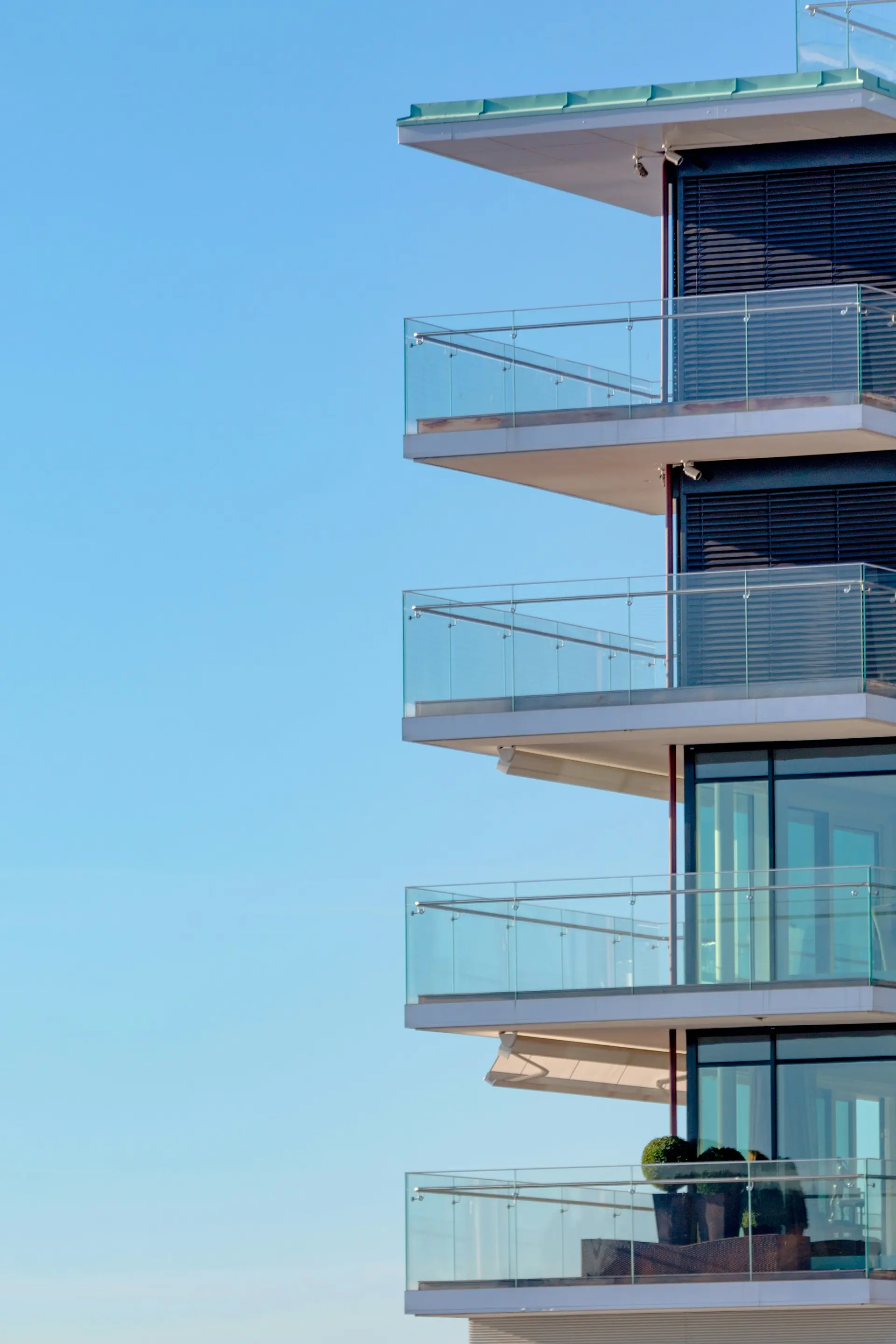

Solar Panels on Body Corporate Property: Individual vs Communal Systems
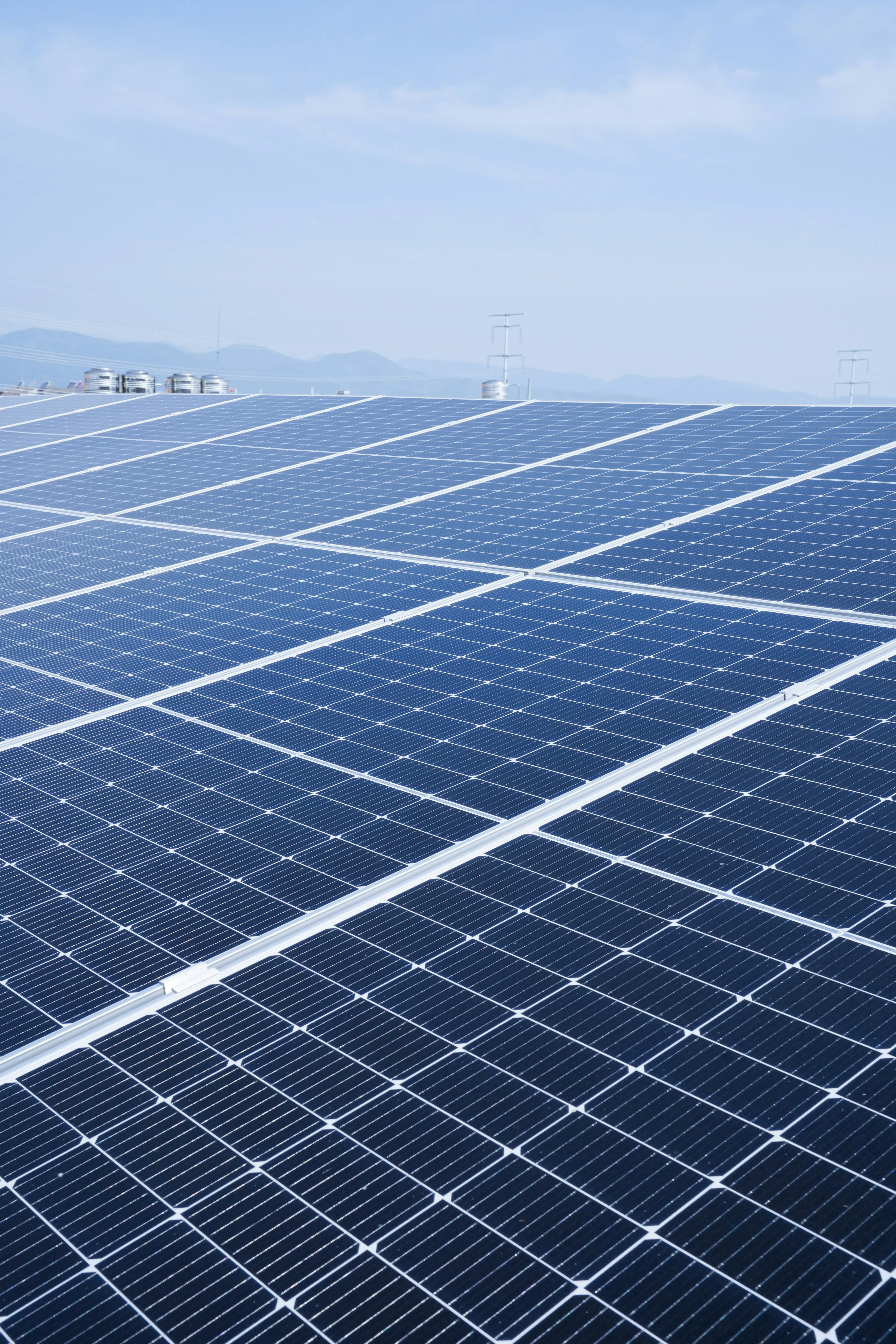
Photo: Soren H
Your neighbor just installed solar panels on their balcony. They're bragging about cutting their electricity bills by 40%. Meanwhile, you're stuck watching your quarterly statement creep up because common area electricity costs keep rising.
Here's the thing: solar in body corporates isn't straightforward. There are two fundamentally different approaches (individual systems and communal systems) and they come with completely different rules, costs, and approval processes.
This guide breaks down both options so you can figure out which one (if any) makes sense for your building.
Related Reading
Before diving into solar specifics, you might find these helpful:
- Energy Efficiency Upgrades and Body Corporate Fees - The broader cost-savings picture
- EV Charging in Body Corporates - Similar approval challenges and cost allocation models
Individual Solar Systems: Balconies, Windows, and Private Spaces
Individual systems are panels you install on your own lot, typically balconies, windows, or exclusive-use areas. You own them, you benefit from them, you maintain them.
What's Actually Available?
Balcony panels are the most common option. Modern lightweight panels can mount on balcony railings or walls, generating 300-600 watts per panel. A typical balcony setup (2-4 panels) produces 600-1,200 watts, enough to offset 15-30% of an average apartment's electricity use.
Window film solar is emerging technology. Semi-transparent panels that replace or overlay windows, generating power while still letting light through. Currently expensive ($800-$1,500 per square meter) with lower efficiency than traditional panels.
Plug-in solar kits are portable units that literally plug into a power point. No electrician required in most cases, but limited to around 300-600 watts and won't export to the grid.
Do You Need Body Corporate Approval?
Almost always yes. Even though you're installing on your own lot, you're typically affecting:
- Building appearance (aesthetic consistency bylaws)
- Common property (if mounting brackets attach to external walls)
- Structural load (engineering concerns)
- Insurance (modification to the building)
In most states, you'll need at least an ordinary resolution (50%+1) for minor installations, or a special resolution (75%) if you're modifying common property or making significant visual changes.
The exception: Some plug-in balcony kits that don't permanently attach to anything might slip under the radar. But check your bylaws, some specifically address "temporary structures" on balconies.
Costs and Returns for Individual Systems
A typical balcony installation runs $2,000-$6,000 for a 1-2kW system. Annual savings depend on your orientation and usage, but expect $300-$800 per year in reduced electricity bills.
Payback period: 4-8 years for most balcony setups.
The challenge? You won't export much to the grid (feed-in tariffs are low anyway, 8-12c/kWh in most states), so you benefit most if you're home during the day when the panels are generating.
Communal Rooftop Systems: Shared Investment, Shared Benefits
Communal systems are installed on common property (usually the roof) and benefit all owners through reduced common area electricity costs or direct energy credits.
How Communal Systems Work
The body corporate owns the system. Generated electricity typically powers common areas, lifts, lighting, pumps, pool heating, air conditioning in lobbies. Whatever's left can be exported to the grid for feed-in tariff income, or distributed to individual lots through an embedded network.
System sizes vary dramatically:
- Small building (under 20 units): 10-15kW system, $12,000-$20,000 installed
- Medium building (20-50 units): 20-40kW system, $22,000-$45,000 installed
- Large building (50+ units): 50-100kW+ system, $50,000-$120,000+ installed
Cost Sharing Models
Model 1: All owners share costs and benefits equally
The simplest approach. Special levy or sinking fund covers installation. Everyone's quarterly fees drop because common area electricity costs fall. Works well when most owners support sustainability and trust the committee to manage it fairly.
Model 2: Costs based on unit entitlement
Larger apartments pay more, get more benefit proportionally. Fairer for buildings with significant size variation between lots.
Model 3: Opt-in investor model
Only interested owners fund the installation. They receive proportional credits or rebates on their levies based on their investment. More complex to administer but avoids forcing non-supporters to participate.
Feed-In Tariffs and Revenue Distribution
If your communal system exports excess power to the grid, someone's getting paid. The question is who.
Most body corporates simply credit the income to the admin fund, reducing everyone's levies marginally. For a medium building exporting $2,000-$4,000 worth of power annually, that's $40-$90 per unit per year, nice, but not life-changing.
Some buildings with larger systems and embedded networks can offer more sophisticated arrangements, crediting individual lots based on their consumption patterns or investment stake.
Energy Trading Between Units: The Future (Sort Of)
Here's where it gets interesting. Emerging technology allows buildings with embedded networks to trade energy between lots, your rooftop solar generates power, your neighbor who's home during the day uses it, and you get credited for the sale.
The reality check: This requires:
- An embedded network (expensive to establish, $50,000-$150,000+ for electrical infrastructure)
- Smart meters for every lot ($300-$800 per meter)
- Energy management software
- Ongoing administration
For most buildings, it's overkill. But for large developments (100+ units) with strong sustainability mandates and forward-thinking committees, it's becoming viable.
Approval Process: Getting Solar Past Your Committee
For Individual Systems
- Check your bylaws for restrictions on balcony modifications, external attachments, or aesthetic requirements
- Get quotes from licensed solar installers experienced with apartment installations
- Submit a formal request to your committee including installation plans, engineering certification (if required), and insurance documentation
- Attend the AGM/EGM to present your case if a vote is required
- Register any bylaw changes if exclusive use rights are involved
For Communal Systems
- Survey owner interest before proposing anything, you need support from at least 75% for most states
- Commission a feasibility study from a commercial solar installer covering roof space, orientation, shading, structural capacity, and electrical infrastructure
- Develop a business case showing installation costs, projected savings, payback period, and maintenance requirements
- Present at AGM/EGM with detailed documentation
- If approved, appoint a project manager (often your strata manager) to oversee installation
Structural and Insurance Considerations
Roof Load Capacity
Older buildings weren't designed for rooftop solar. A typical solar installation adds 15-25 kg per square meter. Before approving any communal system, you need an engineer's report confirming your roof can handle it.
Cost: $1,500-$4,000 for a structural assessment.
Insurance Implications
Good news: properly installed solar panels don't typically increase building insurance premiums significantly. Some insurers even offer discounts for sustainable buildings.
Bad news: DIY or poorly documented installations can void coverage. Ensure all work is done by licensed installers, with certificates provided to your strata manager for the building's records.
Warranty periods:
- Solar panels: 25-30 years (performance warranty)
- Inverters: 5-12 years (usually need replacement once during panel lifespan)
- Mounting systems: 10-25 years
Making the Decision: Individual vs Communal
Choose individual if:
- You want control over your own system
- Your building is small and consensus is difficult
- You're a renter-friendly building (portable systems)
- You just want to reduce your personal bills without the politics
Choose communal if:
- Your building has good roof space and orientation
- Common area electricity costs are significant (lifts, pools, HVAC)
- You have strong committee support for sustainability
- You want to maximize property value for all owners
Consider both if:
- You're a large building with diverse owner needs
- Some owners want personal systems while the building also benefits from communal generation
Key Takeaways
- Individual balcony systems cost $2,000-$6,000 and save $300-$800 annually
- Communal rooftop systems cost $12,000-$120,000+ depending on building size
- Approval requirements vary by state, expect ordinary or special resolution
- Structural engineering assessment is essential for rooftop installations
- Insurance impacts are minimal for properly installed systems
- Energy trading between units is possible but requires significant infrastructure investment
Solar makes financial sense for most buildings with decent sun exposure. The question isn't whether it's worth it, it's whether your body corporate can agree on how to do it.
Compare body corporate fees across Australia at BodyCorporateFees.com.
This article is for informational purposes only and shouldn't be considered financial or legal advice. Solar installation costs and savings vary by location, building type, and system size. Always obtain professional quotes and advice specific to your building before proceeding.
Ready to Contribute Your Fees?
Add your fees to help build the database. Get access to suburb overviews when they're ready.
Contribute Your Fees