

Waterproofing Defects: Why 42% of New Apartments Leak and What It Costs Owners
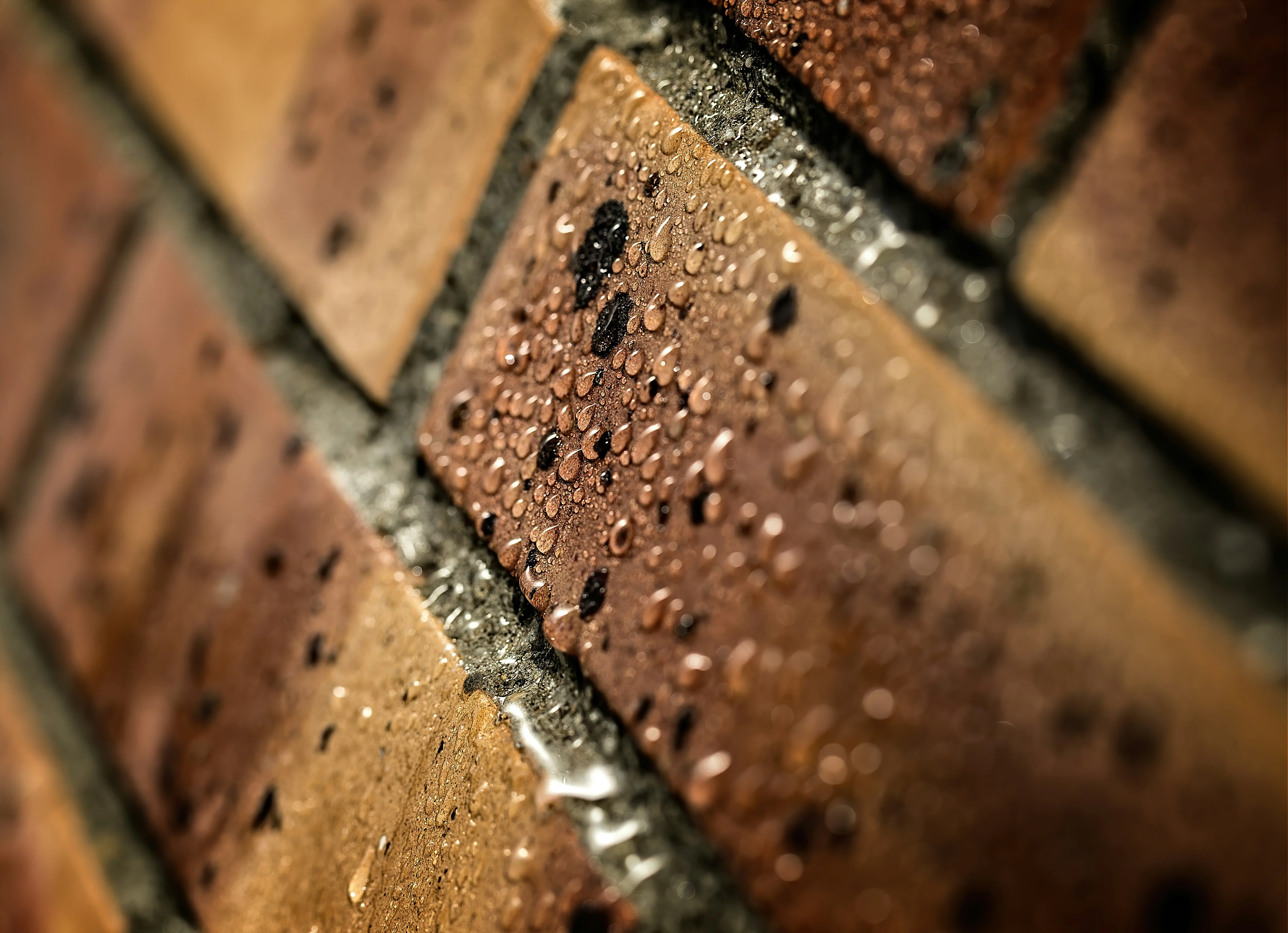
Photo: Ricardo Gomez Angel
The special levy notice arrived on a Thursday. $22,400 per lot, payable in two instalments. The covering letter from the committee explained that waterproofing membranes in the building's bathrooms, balconies, and basement carpark had failed - not in isolated pockets, but systematically across the building. Rectification works would take fourteen weeks. The builder, the letter noted, had been wound up the previous year.
The building was four years old.
This scenario plays out with uncomfortable regularity across Australia. Waterproofing failure is the single most common defect type in new residential apartments, affecting an estimated 42% of new apartment developments. The consequences - water ingress, mould, structural damage, and the disputes that follow - can cost body corporates hundreds of thousands of dollars to fix. And unlike many building problems, waterproofing failure is often invisible until significant damage has already occurred.
What Counts as a Waterproofing Defect?
Waterproofing is the system of membranes, sealants, and drainage layers designed to prevent water from penetrating where it shouldn't. In apartments, the critical areas are:
- Wet areas - bathrooms, ensuites, laundries, and kitchens
- Balconies and terraces - horizontal surfaces exposed to weather
- Roofs and roof decks - particularly flat roofs and planted terraces
- Basement carparks - often below the water table or subject to ground moisture
- Pool surrounds - where water sits continuously against structural elements
A waterproofing defect occurs when the system fails to perform as designed. This can happen from the moment of construction - a membrane applied too thinly, a joint sealed incorrectly, an expansion gap omitted - or gradually as membranes age faster than specified, or as building movement stresses poorly detailed connections.
The defining characteristic of waterproofing defects is that they're often invisible until damage has been accumulating for months or years. By the time a stain appears on a ceiling or mould becomes visible in a bathroom, the deterioration behind the surface has usually been building for some time.
The 6-Year Legal Window
In New South Wales, statutory warranty protection for building defects is provided through the Home Building Act 1989. Waterproofing issues in wet areas are typically classified as major defects, which carry a six-year warranty period from the date of the occupation certificate.
This is a hard legal deadline. If the body corporate doesn't identify and pursue a waterproofing claim within six years of the occupation certificate, the statutory warranty protection expires. Given that waterproofing failures often don't become apparent until year two or three - and can take further time to investigate and document - the six-year window is tighter than it sounds.
Other states apply different frameworks:
- Victoria: The Domestic Building Contracts Act 1995 provides a ten-year warranty for structural defects and six years for non-structural defects, running from practical completion
- Queensland: The Queensland Building and Construction Commission Act 1991 provides six years for structural defects and twelve months for non-structural items
- Western Australia: The Home Building Contracts Act 1991 provides a six-year defects period from completion
- SA, TAS, NT, ACT: Varying warranty periods apply; check the relevant state legislation for buildings completed during the relevant period
Regardless of state, the principle is the same: don't wait. The clock runs from completion, not from when you discover the problem.
Who Pays When Things Go Wrong?
The liability question depends on who is responsible and how much time has passed.
During the warranty period: The builder is primarily liable. If the builder is solvent and engaged, you can demand rectification works at the builder's cost. If the builder has gone into liquidation - a common scenario given the number of residential builders that have wound up since 2022 - you may need to pursue the developer (who may carry their own liability), claim against the builder's warranty insurance, or pursue other avenues depending on your state.
After the warranty period: The body corporate is responsible for maintaining and repairing common property, which includes the waterproofing systems in shared areas. The cost is met from the sinking fund (capital works fund) or, where funds are insufficient, a special levy.
Within individual lots: In most strata schemes, the waterproofing membrane in a bathroom is classified as common property - even though it sits within the physical boundaries of the lot. This means the body corporate is responsible for its repair, not the individual owner. This surprises many owners who assume their bathroom is entirely their problem.
What Remediation Actually Costs
Waterproofing rectification is expensive primarily because it is invisible work. Replacing a failed membrane requires removing all the finishes above it, stripping back to the substrate, allowing proper cure time for the new membrane, and reinstating the tiles or other coverings. You're essentially demolishing and rebuilding every wet area.
Typical cost ranges:
- Minor re-sealing (joints, penetrations only): $500 - $2,000 per area
- Full bathroom membrane replacement: $8,000 - $18,000 per bathroom
- Balcony membrane replacement: $5,000 - $15,000 per balcony
- Roof membrane replacement: $15,000 - $80,000+ depending on size and system
- Basement carpark remediation: $50,000 - $250,000+ for large areas
When a building has systemic failure across multiple areas - which is common when the root cause is a substandard waterproofing system applied across the whole building - costs compound rapidly. A forty-lot building with widespread bathroom membrane failure and a failed basement system can easily face works in the $400,000 - $900,000 range. Divided by forty lots, that's the $22,000 special levy from the story at the start of this article.
Before You Buy: Due Diligence on Waterproofing
If you're purchasing an apartment - particularly in a building less than twelve years old - waterproofing history and risk should be part of your due diligence.
Review the strata search certificate: In NSW, a Section 184 certificate reveals known defect orders, building notices, and outstanding litigation. Look for any references to waterproofing, water ingress, or building envelope investigations. Similar documents exist in other states.
Read recent AGM and committee meeting minutes: Look for discussion of water damage complaints, leak reports, engineer investigations, or insurance claims. Even casual references in minutes can signal that something is being managed.
Ask about sinking fund adequacy: A building with known waterproofing risk should have a sinking fund that reflects that risk. If the fund looks thin relative to the building's age and condition, ask why.
Check for recent special levies: Any unexplained special levies in the last three years deserve investigation.
Consider an independent building inspection: For buildings between three and ten years old, a pre-purchase building inspection by a registered building inspector who specialises in strata defects is money well spent.
Key Takeaways
- Waterproofing failure affects an estimated 42% of new Australian apartments and is the most common building defect type - it's a systemic industry problem, not an edge case.
- Warranty periods are fixed from construction completion, not from when you discover the problem. Don't wait for visible signs before investigating.
- The body corporate is usually responsible for waterproofing on common property, including bathroom membranes that sit within individual lots.
- Remediation is expensive: full bathroom membrane replacement typically costs $8,000 - $18,000; basement and roof systems run significantly higher.
- Due diligence before purchase should include reviewing strata records for water damage claims, defect notices, and any unexplained special levies.
- If you find a defect during the warranty period, engage a building consultant to document and scope the issues, and seek legal advice on warranty claims before the limitation period runs.
Compare body corporate fees across Australia at BodyCorporateFees.com.
This article is for informational purposes only and does not constitute legal or financial advice. Building defect warranty periods and liability frameworks vary by state and territory and depend on when construction was completed. For advice specific to your situation, consult a building lawyer or building consultant.
Ready to Contribute Your Fees?
Add your fees to help build the database. Get access to suburb overviews when they're ready.
Contribute Your Fees