
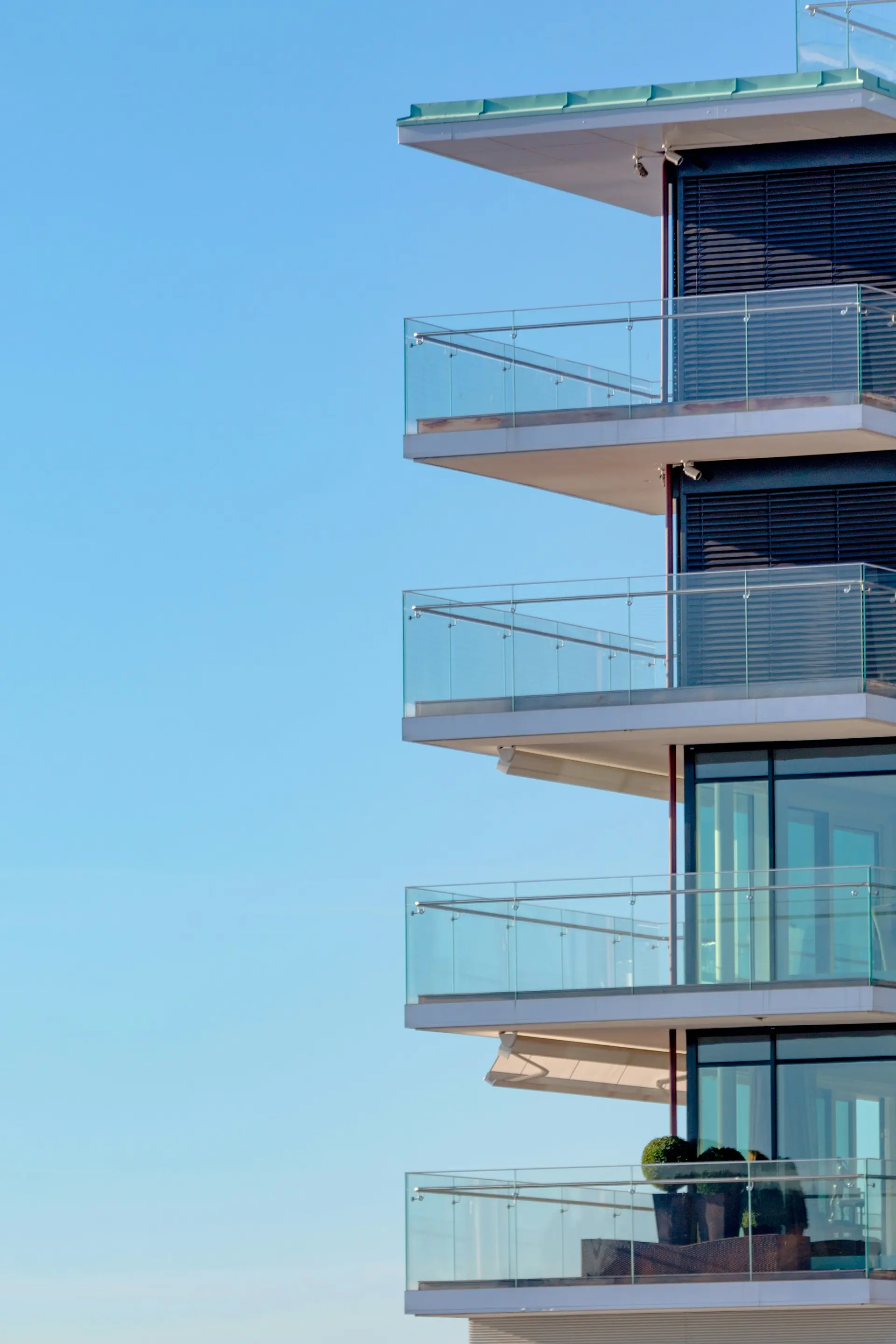

Building Defects & Your Body Corporate: The 6-Year Window You Can't Miss
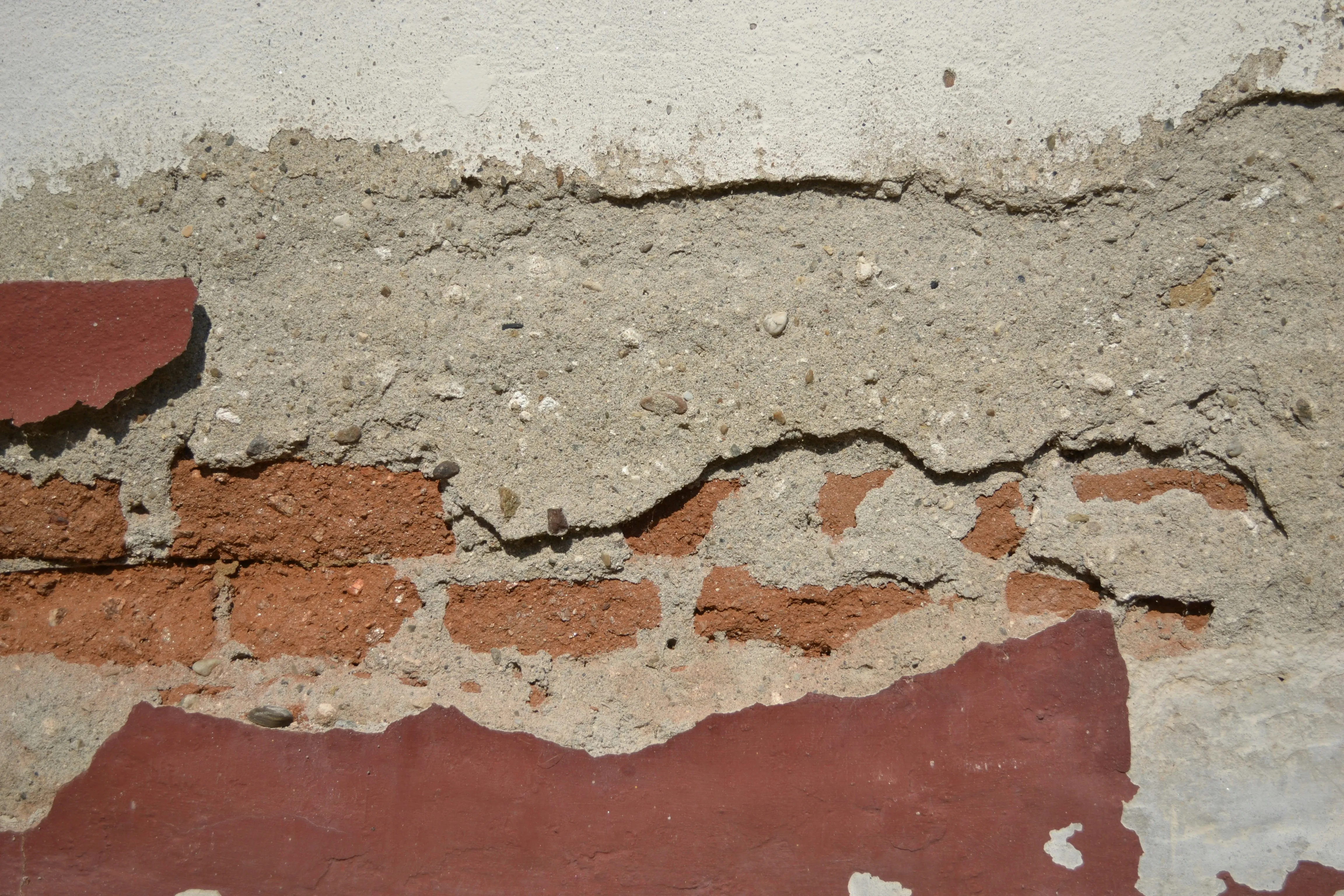
Photo: Marcu Ioachim
Your building is three years old. The underground car park floods every time it rains. Water stains are creeping across ceilings in half a dozen apartments. The body corporate committee keeps saying they're "looking into it." Meanwhile, the clock is ticking on a deadline most owners don't even know exists.
Here's the uncomfortable reality: 75-85% of Australian strata buildings have defects. And if your body corporate doesn't act within strict statutory timeframes, you lose the right to make the builder or developer pay for them. That means the repair bill (potentially hundreds of thousands of dollars) lands on the owners through special levies.
If you're already wondering about costs and responsibilities, start with: What Are Body Corporate Fees? and Body Corporate Special Levies: Everything You Need to Know.
The Warranty Timeframes You Need to Know
Every Australian state has legislation requiring builders to stand behind their work for a set period. These statutory warranties are automatic, they apply whether or not they're written into the building contract. But the timeframes, the way defects are classified, and the dispute processes vary significantly from state to state. Knowing your state's rules is critical because missing a deadline means the repair bill shifts from the builder to the owners.
New South Wales
Under the Home Building Act 1989, NSW distinguishes between two categories:
- Major defects: 6-year warranty from completion. Covers structural elements, waterproofing, and fire safety systems where failure creates serious risk to safety or habitability.
- Minor defects: 2-year warranty from completion. Covers cosmetic and non-structural issues like cracked tiles, paint defects, and poorly fitted fixtures.
If you discover a major defect in the last six months of the six-year period, you may receive an extra six months to commence proceedings. But relying on last-minute extensions is not a strategy.
NSW also provides a secondary route through the Design and Building Practitioners Act 2020, with its own 6-year period running from when defects became known (or should have been discovered), subject to a 10-year overall limit. This gives owners a potential second chance if defects emerge later than expected.
For buildings of 4+ storeys, the Strata Building Bond and Inspection Scheme requires developers to lodge a bond of 2% of the contract price (increasing to 3% from July 2026), providing an additional financial buffer.
Victoria
Victoria takes a different approach. Under the Domestic Building Contracts Act 1995, there's no distinction between major and minor defects. Instead, the Building Act 1993 imposes a single 10-year limitation period from the date the occupancy permit or certificate of final inspection was issued. Any building action (structural or cosmetic) must be commenced within that window.
For cladding-related defects, the effective limitation period extends to 15 years, reflecting the severity and scale of combustible cladding issues across the state.
Before commencing proceedings at VCAT, the owners corporation must first lodge a dispute with the Domestic Building Dispute Resolution Victoria (DBDRV) for conciliation.
The Domestic Building Contracts Amendment Act 2025 (taking effect by December 2026) introduces further changes, including a new definition of "developer" and reforms to dispute resolution and domestic building insurance administration.
Queensland
Queensland operates under the Queensland Building and Construction Commission Act 1991. The warranty periods are:
- Structural defects: 6 years and 6 months from practical completion
- Non-structural defects: 12 months from practical completion
There's an important awareness trigger: owners have 12 months from becoming aware of a defect to lodge a claim with the QBCC, regardless of when it occurred within the warranty period. Miss that 12-month window and you lose your right to claim, even if the overall warranty hasn't expired.
Since March 2021, Queensland regulations require that every body corporate AGM include a vote on whether to commission a defect assessment report, a practical safeguard against defects being overlooked.
South Australia
Under the Building Work Contractors Act 1995, SA imposes a single 5-year warranty period from completion of the building work. There's no distinction between structural and non-structural defects, all statutory warranty claims must be commenced within five years, and this period cannot be extended.
Beyond the statutory warranty, the Limitation of Actions Act 1936 imposes a hard 10-year long-stop from completion, after which all building defect claims are barred regardless of when the defect was discovered.
Western Australia
WA's Home Building Contracts Act 1991 provides a 6-year statutory warranty period from practical completion that applies to all construction defects, structural and non-structural alike. There's no separate category for minor defects.
A significant gap exists for multi-storey strata: home indemnity insurance is generally only required for buildings of 3 storeys or less. Once a strata complex reaches 4 levels or more, there is typically no requirement for builder's indemnity insurance, leaving owners more exposed if the builder becomes insolvent.
ACT
The Building Act 2004 (ACT) provides statutory warranties with different periods depending on defect type:
- Structural defects: 6-year warranty period
- Non-structural defects: shorter warranty period (typically 2 years)
The Construction Occupations Registrar can issue rectification orders against builders for up to 10 years after non-compliance occurred, providing an additional enforcement mechanism beyond the standard warranty periods.
Tasmania and Northern Territory
Both jurisdictions rely on general building legislation and limitation periods rather than strata-specific defect warranty schemes. The general limitation period for building actions is 6 years in both states, and a 10-year long-stop applies.
The Bottom Line Across All States
Regardless of where your building is located, the pattern is clear: deadlines are strict, time runs from completion (not discovery in most states), and once the window closes, owners pay. Every body corporate should know exactly when their building was completed and when their warranty periods expire.
Major vs Minor: Why the Distinction Matters
The classification determines your warranty period and your legal options. Getting it wrong can mean missing a deadline.
Major defects include:
- Structural failures - cracking in load-bearing walls, foundation settlement, balcony structural issues
- Waterproofing failures - leaking roofs, basement flooding, failed shower membranes affecting common property
- Fire safety deficiencies - non-compliant fire doors, faulty sprinkler systems, missing fire-rated construction
- Combustible cladding - aluminium composite panels and other materials that create fire risk
Minor defects include:
- Cosmetic cracking in plaster or render
- Paint defects and poor finishes
- Poorly fitted fixtures, doors, or cabinetry
- Minor drainage issues not affecting structure
- Incomplete or defective tiling
The tricky part: what starts as a "minor" crack can indicate a major structural issue underneath. This is why independent building inspections are critical, you need an expert to tell you whether that hairline crack is cosmetic or the tip of something much worse.
The Most Common Defects in Australian Strata Buildings
Based on industry data and building inspection reports, these are the defects body corporates encounter most frequently:
Waterproofing failures (the #1 issue)
Water ingress is the single most common defect in Australian strata buildings. Failed waterproofing membranes in bathrooms, balconies, roofs, and basements cause damage that compounds over time. A $20,000 waterproofing repair left unaddressed becomes a $200,000 remediation project when it rots structural timber, corrodes steel reinforcement, or damages multiple apartments below.
Structural defects
Cracking in concrete slabs, settlement in foundations, inadequate reinforcement, and deteriorating structural elements. These are expensive and dangerous. A structural defect in a high-rise building can affect every apartment in the stack above and below.
Combustible cladding
This remains one of Australia's biggest building safety issues. Cladding Safety Victoria has identified over 1,600 buildings with combustible cladding in Victoria alone, and over 3,000 buildings nationally are estimated to be affected. Remediation costs range from $500,000 for a small low-rise to $20 million or more for a large high-rise. Many buildings face insurance premium surcharges of 30-100% until cladding is replaced.
Related: Body Corporate Insurance Crisis: Why Premiums Doubled Since 2019 covers how cladding and defects are driving insurance costs through the roof.
Fire safety system defects
Non-compliant fire doors, inadequate fire-rated construction, faulty sprinkler systems, and missing smoke detection. These defects aren't just expensive to fix, they put lives at risk and can result in fire orders that force immediate remediation at any cost.
Who's Responsible: Body Corporate vs Lot Owners
This is where it gets complicated, and where finger-pointing often delays action.
The builder and developer pay first
Across all states, builders and developers are liable for defective building work within the statutory warranty period. They're obligated to rectify defects at their own expense. In NSW they're jointly and severally liable; other states have similar provisions under their respective building legislation. The body corporate's job is to identify defects, document them, and pursue claims within the statutory timeframes.
The body corporate's duty
The owners corporation has a clear, ongoing duty to keep common property in good and serviceable repair. This obligation exists regardless of whether a builder dispute is underway. You can't defer maintenance because you're waiting for a legal claim to resolve.
This means the body corporate may need to fund urgent repairs from the sinking fund or through a special levy, then recover those costs from the builder or developer. Waiting for the legal process while the building deteriorates makes everything worse, and more expensive.
When owners end up paying
The financial burden shifts to owners when:
- The body corporate fails to pursue claims within warranty timeframes
- The builder becomes insolvent or can't be located
- Home warranty insurance limits are exceeded or don't apply (varies by state, typically excludes buildings over 3 storeys)
- Defects fall outside warranty periods
Individual lot owners' role
If a defect affects only your apartment (not common property), you may need to pursue the builder directly. But if a defect in your lot originated from common property (like waterproofing failure from the floor above), the body corporate is responsible for the common property component.
Related: Apartment Renovations: What Needs Body Corporate Approval explains the boundary between common property and lot property.
Your Building Defect Inspection Checklist
Don't wait until something fails catastrophically. Here's what your body corporate should be doing:
Within the first 12 months:
- Commission an independent building inspection (not the developer's consultant)
- Document all visible defects with photographs and written descriptions
- Report defects to the builder in writing with a formal notice
- Check fire safety systems comply with Building Code of Australia requirements
Before the minor defect deadline (1-2 years depending on state):
- Lodge formal claims for all minor and non-structural defects
- Follow up on unresolved defects from initial inspections
- Re-inspect previously reported defects that were supposedly fixed
Well before the major defect deadline (5-10 years depending on state):
- Commission a comprehensive defect audit by a qualified building consultant
- Engage a specialist lawyer experienced in building defect claims
- Gather expert evidence and structural assessments for major defects
- File proceedings with your state tribunal or court before the deadline expires
Every AGM:
- Include building defects as a standing agenda item (required in QLD since 2021 and NSW since 2025, good practice in every state)
- Review progress on existing claims
- Approve budget for inspections and legal advice
- Update owners on timeframes and deadlines
How to Make a Claim
If your building has defects, here's the practical process. The first two steps are the same regardless of which state you're in, after that, the escalation path depends on your jurisdiction.
Step 1: Get independent expert reports. Engage a qualified building consultant to inspect and document defects. The quality of this report often determines whether your claim succeeds. Be clear about whether the report is for information or potential litigation.
Step 2: Notify the builder in writing. Provide formal written notice detailing the defects, referencing the expert report, and requesting rectification within a reasonable timeframe (usually 28-60 days).
Step 3: Lodge a complaint with your state regulator if the builder doesn't respond or refuses to rectify:
- NSW: NSW Fair Trading
- VIC: Domestic Building Dispute Resolution Victoria (DBDRV)
- QLD: Queensland Building and Construction Commission (QBCC)
- SA: Consumer and Business Services
- WA: Building Commission WA
- ACT: Construction Occupations Registrar
Step 4: Apply to your state tribunal or court if the dispute remains unresolved:
- NSW: NCAT or Supreme Court
- VIC: VCAT
- QLD: QCAT or District/Supreme Court
- SA: Magistrates Court or District Court
- WA: State Administrative Tribunal (SAT)
- ACT: ACAT
Step 5: Check for additional protections. Some states have specific safety nets worth investigating:
- NSW (4+ storeys): The Strata Building Bond and Inspection Scheme - if your building has a developer bond in place, the owners corporation can claim against it for defects identified in interim and final inspection reports
- All states: Home warranty insurance may apply if the builder is insolvent, deceased, or has disappeared (typically limited to buildings of 3 storeys or less)
Expert evidence is everything in these claims. Joint expert conclaves (where both sides' experts meet to narrow disputes) often lead to settlements without a full hearing.
Financial Safety Nets (and Their Limits)
Home warranty insurance exists in every state but varies in scope. It's "last resort" insurance, it only kicks in when the builder dies, disappears, or becomes insolvent. Key limitations:
- NSW: Maximum $340,000 per dwelling, buildings of 3 storeys or less only
- VIC: Domestic building insurance covers structural defects for 6 years and non-structural for 2 years, but only as last-resort cover
- QLD: QBCC Home Warranty Insurance covers dwellings up to 3 storeys
- WA: Home indemnity insurance required for work over $20,000, covering 6 years from completion, but generally not required for buildings of 4+ storeys
- SA/ACT/TAS/NT: Various indemnity insurance schemes with similar last-resort limitations
Strata Building Bond and Inspection Scheme (NSW only, 4+ storeys) requires developers to lodge a bond of 2% of the contract price (rising to 3% from July 2026) that can be claimed against for defects.
Decennial Liability Insurance provides 10-year defect coverage and is available as an alternative option for some developments.
None of these are substitutes for acting within warranty timeframes. They're safety nets with limits, not replacements for pursuing the builder directly.
What You Can Do Right Now
If your building is relatively new (under 5-6 years): Put building defects on the next committee meeting agenda. Commission an independent inspection. Engage a building defect lawyer for a preliminary assessment. Time is not on your side.
If your building is approaching its warranty deadline: Treat this as urgent. Check your state's specific timeframe, it could be 5 years (SA), 6 years (NSW, QLD, WA), or 10 years (VIC). If significant defects exist and no claim has been filed, you need legal advice immediately.
If your building is past the standard warranty period: You may still have options. Victoria's 10-year window is longer than most. NSW's Design and Building Practitioners Act provides an alternative 6-year period from discovery (subject to 10-year overall limit). Beyond that, repair costs fall to owners through levies.
For any building: Maintain the sinking fund at adequate levels to cover unexpected repairs. Benchmark your fees against similar properties using our fee comparison tool to ensure you're building adequate reserves.
Related: Body Corporate Insurance Explained covers what's insured and what's not, including defect-related exclusions.
Compare body corporate fees across Australia at BodyCorporateFees.com.
This article is for informational purposes only and should not be considered legal or financial advice. Building defect claims involve strict timeframes and complex legal issues. Consult a qualified building defect lawyer and independent building consultant for advice specific to your situation.
Ready to Contribute Your Fees?
Add your fees to help build the database. Get access to suburb overviews when they're ready.
Contribute Your Fees