


Selling Your Apartment: Body Corporate Disclosure Obligations State-by-State
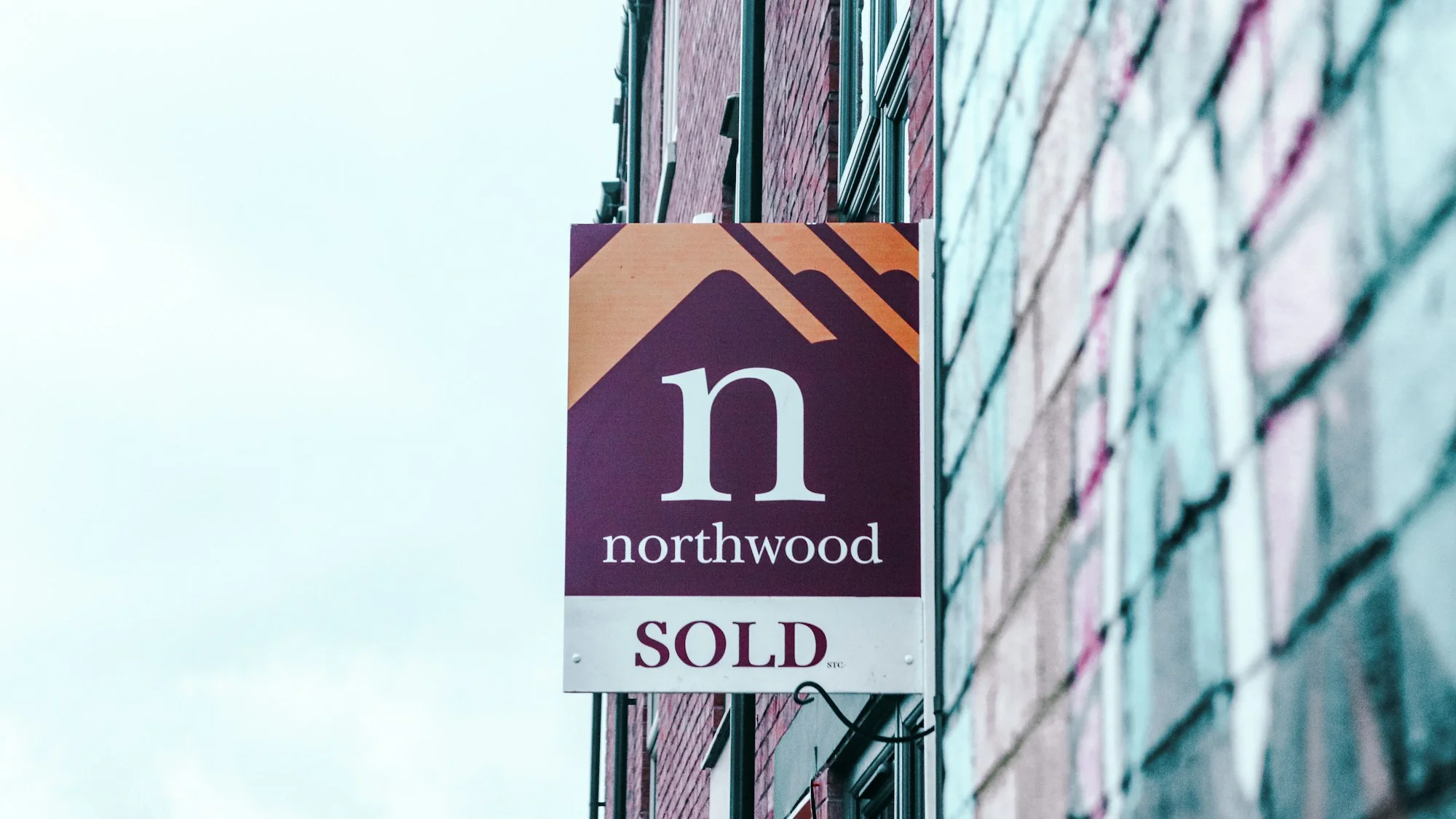
Photo: Different Resonance
A seller in Sydney accepted a strong offer on her two-bedroom unit and exchanged contracts. Settlement was six weeks away. What she had not mentioned, because she had half-forgotten about it, was that the owners corporation had passed a special levy of $9,000 per lot at the previous annual general meeting to fund balcony remediation. The levy had not made it into the contract documents. When the buyer's solicitor discovered it during their own enquiries, the buyer rescinded the contract. The sale collapsed, and the seller was back to square one with a building that now had a known defect and a live special levy to disclose to the next buyer.
Most strata advice is written for buyers. There is plenty of guidance on how to read a search certificate and what red flags to look for. Sellers, by contrast, often go in assuming the agent and conveyancer will handle everything. But the legal obligation to disclose body corporate information sits with the seller, and the consequences of getting it wrong - delayed settlement, price renegotiation, or a buyer walking away entirely - land on the seller too. This guide covers what you have to disclose, state by state, and how to prepare before you list.
Why Disclosure Matters So Much in Strata
When you sell a freestanding house, the buyer is mostly buying the land and the building on it. When you sell an apartment, you are also selling a share in a body corporate: its finances, its disputes, its insurance, its maintenance backlog and its rules. A buyer cannot see any of that by walking through the apartment. The law bridges that gap by requiring the seller to disclose key body corporate information up front, so the buyer knows what they are joining.
That is the mirror image of the buyer's task. Our buyer's guide to reading a strata search certificate and our list of essential questions to ask before purchasing describe what a careful buyer looks for. As a seller, your job is to make sure the documents you provide answer those questions accurately, because the buyer's solicitor will almost certainly go looking.
What You Generally Have to Disclose
The precise instrument differs by state, but the substance of what a buyer is entitled to know is broadly consistent across the country:
- The current levies - both administrative and capital works or sinking fund - and how often they are payable
- Any special levies that have been struck or proposed, and whether they are paid
- The balance of the administrative and capital works funds
- Insurance details for the building, including the policy and amount of cover
- By-laws or rules that apply to the scheme
- Any current or proposed major expenditure, such as remediation works
- Known building defects, including combustible cladding status where relevant
- Current disputes or legal proceedings involving the body corporate
- The minutes of recent committee and general meetings
If your building has been affected by combustible cladding, that is a specific and high-stakes disclosure issue. Our guide on whether your building is on the cladding list explains why buyers and their lenders treat it so seriously.
State-by-State: The Disclosure Instruments
The mechanics differ in each jurisdiction. Here is the general shape of the obligation in each state and territory. The detail changes regularly, so confirm the current requirements with your conveyancer.
New South Wales. Sellers must attach prescribed documents to the contract for sale before it can be exchanged, and strata buyers can also obtain a section 184 certificate from the owners corporation. From 2026, New South Wales tightened its pre-contract disclosure requirements, increasing what must be made available to buyers before they commit. Failing to attach a prescribed document, or attaching an inaccurate one, can give the buyer a right to rescind within a set period after exchange.
Queensland. Sellers of lots in community titles schemes must give the buyer a disclosure statement under the Body Corporate and Community Management Act before the contract is signed. It covers the body corporate levies, the committee, and other key information. If the disclosure statement is inaccurate or not given, the buyer may have a right to cancel the contract.
Victoria. Sellers must provide a vendor's statement (commonly called a section 32) and, for owners corporation properties, an owners corporation certificate under section 151 of the Owners Corporations Act. The certificate sets out fees, funds, insurance, current works and any liabilities. An owners corporation that is not "prescribed" has lighter requirements, but the disclosure obligation still applies.
South Australia. Disclosure is made through the Form 1 vendor statement, which must include the relevant strata or community corporation information. The buyer has a cooling-off period during which disclosure defects can become significant.
Western Australia, Tasmania, ACT and Northern Territory. Each has its own disclosure framework, generally requiring strata or unit information to be provided to the buyer before or at contract. The instruments and timing differ, so local conveyancing advice is essential.
The common thread is that every state gives the buyer some form of remedy when disclosure is missing or wrong, and that remedy frequently includes walking away from the deal.
The Documents to Order Before You List
The single most useful thing a seller can do is order the body corporate documents early, before the property goes on the market, rather than scrambling for them once a buyer is waiting. Ordering a search or certificate from the body corporate or strata manager can take time, and a delay here is a common cause of stalled settlements.
Get hold of, at minimum:
- The current levy notices and a statement of any arrears on your own lot
- The most recent financial statements and fund balances
- The current insurance certificate of currency
- The registered by-laws
- The minutes of the last annual general meeting and recent committee meetings
- Any special levy resolutions, quotes for major works, or engineer's reports on defects
Reviewing these before you list does two things. It lets you correct or explain anything unflattering on your own terms rather than having a buyer discover it, and it means the contract can be prepared with accurate documents from the start. If your building has a known issue such as a pending special levy or a building defect, it is far better to put it on the table early than to have it surface during the buyer's due diligence.
What Happens If You Get It Wrong
Disclosure failures are not minor paperwork slips. Depending on the state and the nature of the failure, the consequences can include:
- The buyer rescinding the contract, sometimes within a defined window after exchange, as in our opening example
- Settlement being delayed while documents are corrected, which can blow your own purchase or moving timeline
- Price renegotiation, where a buyer who discovers an undisclosed levy or defect uses it to push the price down
- Disputes after settlement, if a buyer argues they were misled about the body corporate's financial position
None of these are hypothetical. Undisclosed special levies and undisclosed defects are among the most common reasons strata sales fall over late in the process. The seller who discloses early and accurately is in a far stronger position than the one hoping a problem will not be noticed.
Key Takeaways
- The disclosure obligation sits with the seller, and so do the consequences of getting it wrong - including a buyer's right to walk away.
- What must be disclosed is broadly consistent across the country: levies, special levies, fund balances, insurance, by-laws, major expenditure, defects and disputes.
- The instrument differs by state: prescribed contract documents and section 184 certificates in NSW, a disclosure statement in Queensland, a section 32 plus section 151 certificate in Victoria, a Form 1 in South Australia, and separate frameworks elsewhere.
- New South Wales tightened pre-contract disclosure from 2026, so confirm the current requirements before you list.
- Order the body corporate documents before you go to market, not after a buyer is waiting, and disclose known problems early and accurately.
Compare body corporate fees across Australia at BodyCorporateFees.com.
This article is for informational purposes only and should not be considered legal advice. Vendor disclosure requirements vary by state and territory and change frequently. Always engage a qualified solicitor or conveyancer to prepare your contract and disclosure documents for a specific sale.
Ready to Contribute Your Fees?
Add your fees to help build the database. Get access to suburb overviews when they're ready.
Contribute Your Fees